
ZZ Top


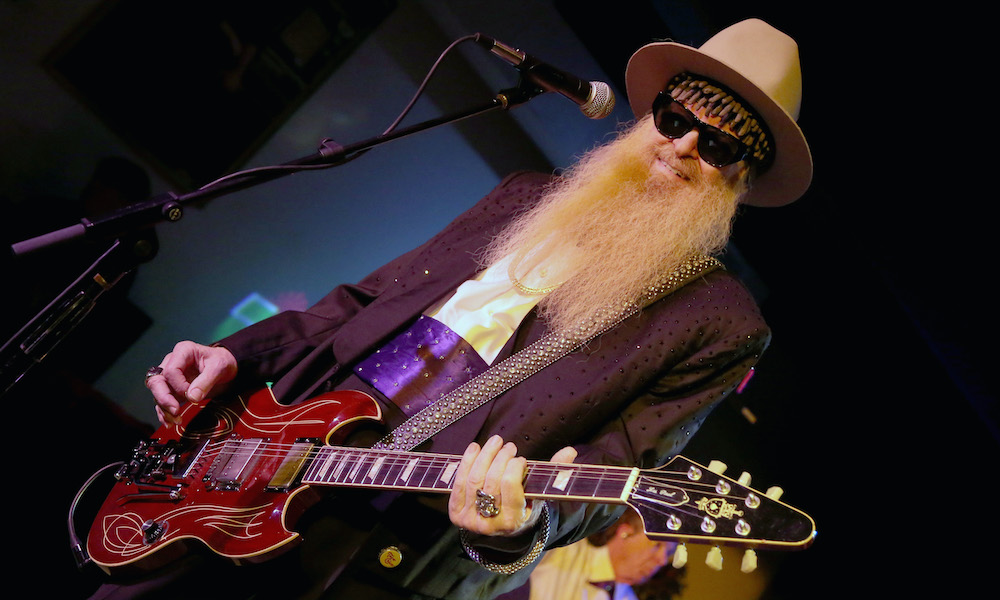
ZZ Top: The Texas Trinity That Turned Groove Into Gravity
Some bands chase complexity.
ZZ Top chased weight.
Weight in tone. Weight in pocket. Weight in silence between notes.
ZZ Top didn’t overwhelm audiences. They leaned on them. Every riff felt like it had mass. Every beat landed like a boot heel on concrete. And for musicians, that’s the tell. This band wasn’t flashy. They were inevitable.
What follows is an authentic career arc and 22 musician-level truths about ZZ Top that working players, producers, and road dogs still talk about when the room gets quiet and the amps cool down.
Late 1960s–Early 1970s: Built in the Heat
1. ZZ Top was forged in Texas blues, not radio rock
Bars. Dance halls. Long nights. Songs learned to breathe before they learned to sell.
2. Groove mattered more than chops
If it didn’t move hips, it didn’t stay in the set. Period.
3. They learned restraint early
Space was currency. Notes were spent carefully.
4. The trio format forced accountability
No hiding. Every player mattered every second.
The Sound: Why It Hits So Hard
5. Billy Gibbons plays behind the beat on purpose
That drag creates swagger. Guitarists chase speed. Billy chased feel.
6. His tone is simpler than it sounds
Low gain. Big hands. Touch over technology. Most of the magic is in the fingers.
7. Dusty Hill locked bass to kick drum, not guitar
That choice gave the band its freight-train momentum.
8. Bass lines avoided ornamentation
Roots. Fifths. Movement only when the song demanded it.
9. Frank Beard played smaller than rock demanded
Tight kit. Tight strokes. Pocket over power.
1973–1976: Honing the Weapon
10. They toured relentlessly before breaking wide
Consistency turned local legends into national inevitability.
11. Songs were tested live before being recorded
If a riff didn’t survive sweat, it didn’t make the album.
12. Lyrics leaned on implication, not exposition
Short phrases. Double meaning. Musicians respect that economy.
Late 1970s: Silence as Strategy
13. ZZ Top went quiet at their peak
They disappeared to reassess. No label panic. No press circus.
14. The beards were accidental branding
Image followed identity, not the other way around.
1980s: Reinvention Without Surrender
15. Eliminator added technology without losing dirt
Synths didn’t replace groove. They framed it.
16. Drum machines followed Frank’s feel
Programming served the pocket, not the grid.
17. MTV amplified personality, not musicianship
The songs still carried the weight. The visuals just widened the door.
Longevity and Discipline
18. They never rushed tempos live
Everything sat back. Confidence lives in patience.
19. Solos stayed short by design
Leave them wanting more. Always.
20. The band rarely argued publicly
Disagreements stayed internal. Unity protected the sound.
21. They kept the lineup intact for decades
Trust compounds. Chemistry deepens.
22. ZZ Top proved groove outlives trends
Fuzz pedals change. Formats collapse. Pocket survives.
Why ZZ Top Still Matters to Musicians
ZZ Top teaches one of the hardest lessons in American music.
You don’t need more notes.
You don’t need faster hands.
You need conviction and restraint.
They showed that blues could scale to arenas without losing grit. That humor could coexist with authority. That simplicity, when earned, is the most dangerous sound of all.
ZZ Top didn’t adapt by getting louder.
They adapted by getting heavier.
And every band trying to make three people sound like an army is still chasing the shadow ZZ Top cast—slow, deliberate, and impossible to ignore.
