
The Village People
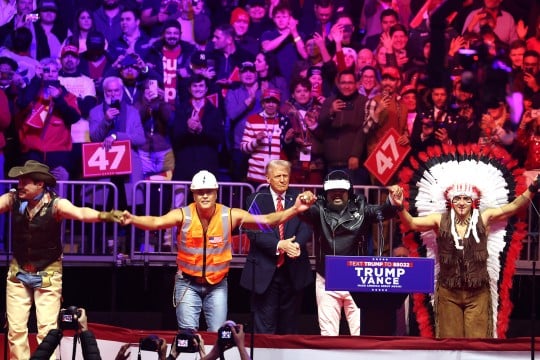


Village People: The Group That Turned Visibility Into Velocity and Danced Straight Through the Culture War
Some acts hide inside metaphor.
Village People walked directly into the spotlight, struck a pose, and refused to explain themselves.
The Village People weren’t subtle. They weren’t ironic. They weren’t asking permission. They arrived fully formed, hyper-visible, and joyfully impossible to ignore at a moment when American music—and American masculinity—was still pretending it had only one shape.
For musicians, the Village People aren’t a novelty. They’re a masterclass in how clarity, commitment, and confidence can turn a simple idea into a global engine.
The Concept: Identity as Infrastructure
1. The Village People were built like a band and a system
Characters weren’t costumes. They were shorthand. Instantly readable. Instantly scalable.
2. Each persona represented labor, not fantasy
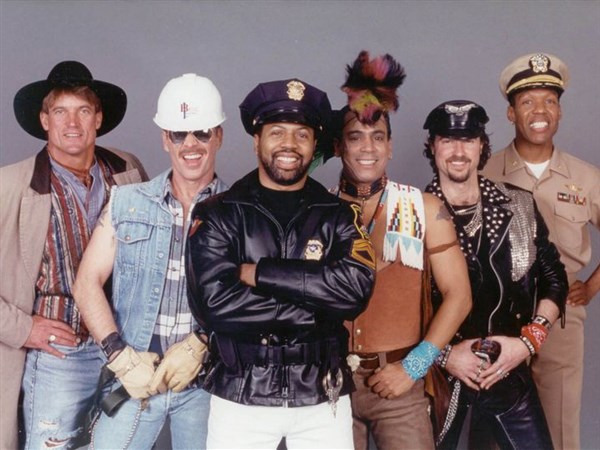
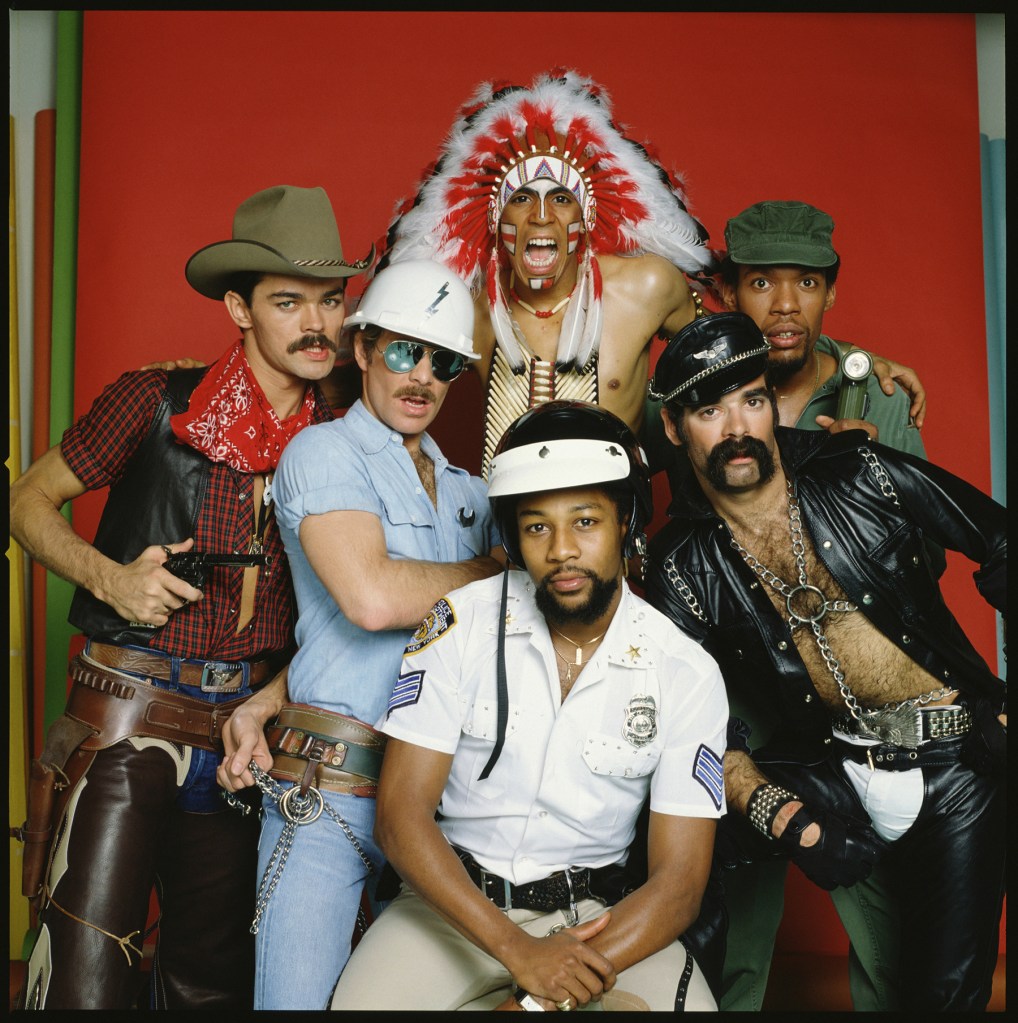
Cop. Construction worker. Cowboy. Leatherman. Soldier. Indigenous chief. These weren’t jokes. They were symbols of working power.
3. The group understood archetypes before branding culture did
You didn’t need liner notes. You knew who they were in two seconds.
4. Commitment made the concept work
No winking. No distancing. Full belief sold the idea.
The Sound: Why the Music Hit Everywhere
5. The grooves were disciplined, not camp
Disco precision. Tight rhythm sections. Dance-floor physics ruled everything.
6. Songs were built for bodies first
If people couldn’t move, the song didn’t survive.
7. Choruses were engineered for mass participation
Call-and-response wasn’t a trick. It was community-building.
8. Lyrics favored repetition over poetry
Memory mattered more than metaphor.
YMCA: The Trojan Horse
9. “YMCA” worked because it felt welcoming
No menace. No inside joke. Just invitation.
10. The song disguised subversion as celebration
Joy lowered defenses faster than confrontation ever could.
11. Hand motions turned audiences into performers
Once the crowd joins, ownership shifts.
12. The song crossed demographics because it didn’t exclude
Everyone could participate. That was the point.
Stagecraft: Power Through Play
13. The Village People mastered synchronized looseness
Choreography stayed simple enough to feel spontaneous.
14. Humor protected the message
Laughter disarmed critics before arguments began.
15. Vocals prioritized clarity over virtuosity
Togetherness mattered more than individual flash.
Cultural Timing: Why It Exploded
16. Disco’s rise created physical permission
Dance floors allowed expression before language caught up.
17. The group arrived before mainstream conversations about identity
Visibility came first. Interpretation followed later.
18. They survived backlash by staying joyful
Anger feeds resistance. Joy confuses it.
Longevity and Misunderstanding
19. The Village People were underestimated on purpose
Dismissal became camouflage.
20. The songs outlived the controversy
Dance floors remember what debates forget.
21. The group became a safe entry point for self-expression
You didn’t have to explain yourself. You could just dance.
The Lasting Lesson
22. Village People proved that being obvious can be radical
Sometimes the boldest move is refusing subtlety.
Why the Village People Still Matter to Musicians
The Village People teach a lesson most artists overlook.
Clarity beats cleverness.
Joy travels farther than outrage.
And participation creates belonging faster than argument.
They didn’t adapt by hiding who they were.
They adapted by turning who they were into something everyone could move to.
In a music industry still wrestling with identity, image, and audience connection, the Village People remain revolutionary because they understood one immutable truth.
If you can make people feel welcome on the floor, they’ll follow you anywhere.
And every artist trying to turn visibility into power, celebration into survival, and music into shared space is still dancing in the path the Village People cleared—arms in the air, letters spelled out, no explanation required.
