
The Eagles
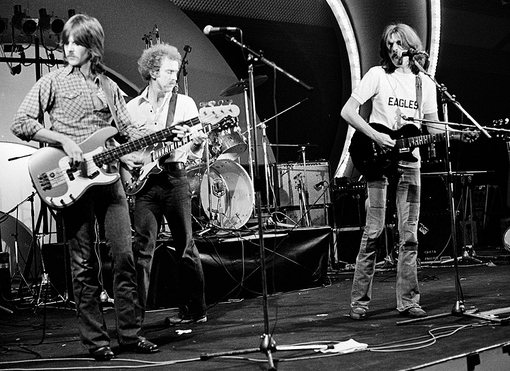


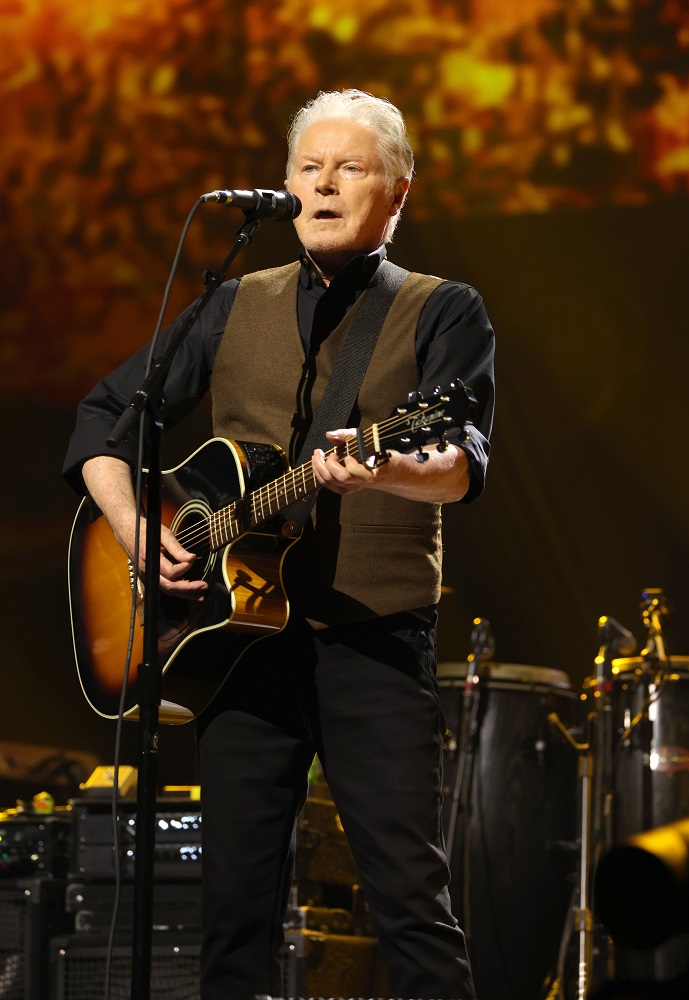

Eagles: The Band That Made Control Sound Effortless and Paid the Price for Perfection
Some bands chase freedom.
The Eagles chased clarity—and discovered that clarity at scale is both powerful and expensive.
The Eagles didn’t invent harmony, California myth, or studio polish. They systematized it. They took country roots, rock muscle, pop discipline, and studio obsession and welded them into a machine that could fill stadiums without ever sounding rushed or sloppy.
For musicians, the Eagles aren’t soft rock nostalgia. They’re a masterclass in how precision becomes culture—and how perfection extracts a toll.
What follows is an authentic career arc and 22 musician-level realities players, producers, and bandleaders still debate when the topic turns to craft versus chaos.
1971–1973: Foundation Before Fame
1. The Eagles began as a backing band
Serving Linda Ronstadt trained them to support vocals, blend parts, and prioritize arrangement.
2. Harmony was treated like architecture
Intervals were chosen for stability and warmth. Nothing accidental.
3. Songs were written to travel
Acoustic guitars, electric layers, and vocal stacks worked in any room size.
4. The rhythm section favored restraint
Groove stayed even. The pocket never showed off.
The Sound: Why It Felt So Clean
5. Don Henley sang with controlled urgency
Emotion lived inside discipline. No wasted syllables.
6. Glenn Frey wrote with cinematic economy
Scenes unfolded quickly. Hooks arrived early and stayed.
7. Harmonies were rehearsed relentlessly
Live blends matched studio expectations. That’s rare.
8. Tempos were locked for vocal precision
Freedom was sacrificed so blend could survive.
1974–1976: The Ascent
9. The band chased consistency harder than excitement
Night after night, the same standard. That’s endurance work.
10. Studio sessions prioritized layering over spontaneity
Parts were auditioned, not assumed.
11. Guitar tones were chosen to avoid masking vocals
Space was engineered.
12. They understood radio psychology
Songs hit quickly without feeling rushed.
Hotel California: The Apex and the Fracture
13. Hotel California was obsessively assembled
Weeks on transitions, tones, and phrasing. Nothing casual.
14. The dual-guitar approach balanced tension
Joe Walsh brought volatility. Don Felder brought precision.
15. Lyrics shifted from sunshine to surveillance
The myth turned inward. Musicians heard the pressure.
16. Perfection amplified conflict
High standards leave little room for grace.
Live Eagles: Discipline Over Chaos
17. Solos stayed concise by design
Momentum mattered more than ego.
18. Vocal blends were protected at all costs
Setlists served keys and stamina.
19. Stage dynamics were controlled tightly
Big rooms demand predictability.
Collapse and Distance
20. Burnout arrived quietly
Control became friction. Precision became fatigue.
21. The breakup wasn’t about success—it was about sustainability
The machine worked. The humans were exhausted.
Return and Legacy
22. The Eagles proved excellence scales—but demands boundaries
Without them, even mastery fractures.
Why the Eagles Still Matter to Musicians
The Eagles teach a lesson that remains uncomfortable.
Polish is power.
Discipline delivers longevity.
But perfection requires emotional management as much as musical skill.
They didn’t adapt by chasing trends.
They adapted by refining a sound until it became synonymous with a place, a feeling, and an era.
In a music world oscillating between chaos and convenience, the Eagles remain proof that control can move millions—if you’re willing to pay its price.
They didn’t make it look easy by accident.
They made it sound easy because they did the hard work where no one could see it.
And every band trying to balance harmony with humanity is still negotiating the line the Eagles drew—clean, exacting, and unforgiving.
