
Prince
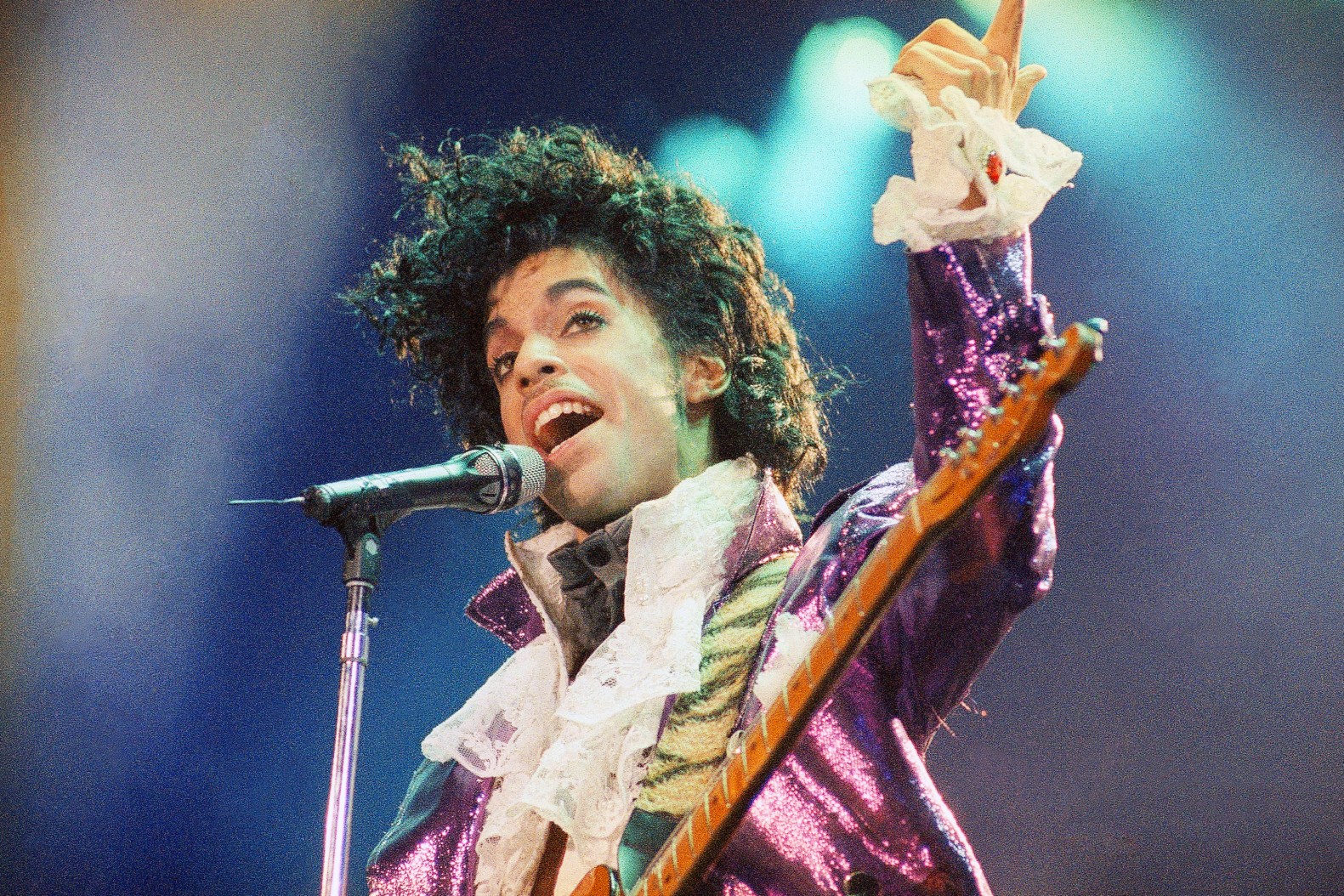


Prince: The Artist Who Built the Blueprint 2026 Musicians Are Finally Forced to Read
Some artists predict the future by accident.
Prince engineered it—then lived far enough ahead of the industry that it took decades to catch up.
In 2026, Prince no longer feels like an icon. He feels like a warning label and an instruction manual at the same time.
Prince didn’t just make music. He built leverage. He built autonomy. He built systems that protected creativity from ownership abuse long before contracts caught up with reality. And he did it while writing hits, playing every instrument better than the specialists, and refusing to dilute desire, intellect, or identity for mass comfort.
For musicians navigating AI tools, platform dependence, rights battles, and brand pressure in 2026, Prince isn’t history. He’s current.
Before the Myth: Control as Survival
1. Prince learned early that talent without ownership is fragile
He didn’t fight labels out of ego. He fought because he understood math.
2. He played nearly everything himself by necessity
Autonomy starts with capability. Prince removed dependencies on purpose.
3. Minneapolis isolation was an advantage
Distance from scenes created originality. Algorithms now mimic this accidentally.
4. He treated studios like laboratories, not temples
Speed mattered. Output mattered. Momentum beat perfection.
The Sound: Why It Still Can’t Be Cloned
5. Prince layered rhythm before harmony
Drums, bass, and groove carried the emotional load.
6. He sang through desire, not at it
Intimacy landed because control stayed intact.
7. Guitar solos were punctuation, not indulgence
Every note advanced the sentence.
8. His falsetto wasn’t softness—it was tension
Contrast created danger.
Writing Like a Machine, Feeling Like a Human
9. Prince wrote constantly, not selectively
Volume sharpened instinct. Editing came later.
10. Songs weren’t precious
If an idea didn’t move, it got replaced immediately.
11. He wrote for other voices without losing identity
Ego never blocked collaboration.
12. He treated genre as a resource pool
Funk, rock, pop, gospel, new wave. No borders. Only utility.
Ownership, Power, and the Name on His Face
13. The symbol era wasn’t branding—it was resistance
Prince forced the public to confront ownership mechanics.
14. He understood that visibility without control is exploitation
Silence became leverage.
15. He built Paisley Park as infrastructure
Artists need space where creation isn’t rented by the hour.
16. He distrusted platforms before platforms deserved distrust
Direct connection mattered more than reach.
Live Prince: Authority Without Permission
17. Prince controlled rooms without explanation
No monologues. No crowd pandering. Just command.
18. Bands followed micro-cues
Leadership lived in body language, not charts.
19. He adjusted keys and tempos instinctively
The song served the moment, not the record.
Prince and the 2026 Music Reality
20. Prince predicted the creator economy’s core conflict
Access versus ownership. Speed versus control.
21. He treated technology as a tool, not a gatekeeper
Drum machines didn’t replace musicians. They extended them.
22. Prince proved that independence scales if discipline exists
Freedom without rigor collapses. He never let it.
Why Prince Matters More Now Than Ever
In 2026, musicians are told to be everywhere, post constantly, license freely, feed algorithms, and stay grateful while ownership shrinks and platforms change the rules mid-song.
Prince saw this coming.
He understood that creative freedom is not philosophical. It’s contractual. Structural. Behavioral. You don’t defend it with statements. You defend it with systems, skills, and the willingness to walk away.
Prince didn’t adapt by chasing relevance.
He adapted by making relevance chase him.
He refused to let technology decide his value.
He refused to let intermediaries define his pace.
He refused to separate sexuality, intellect, faith, and groove into marketable silos.
And every musician in 2026 trying to build something durable in a disposable economy is finally standing where Prince stood decades ago—choosing between convenience and control.
Prince already made the choice.
He left the blueprint behind, not as nostalgia, but as instruction:
Own your work.
Master your tools.
Move faster than permission.
And never confuse visibility with freedom.
That’s not a legacy.
That’s a playbook.
