
Motley Crew

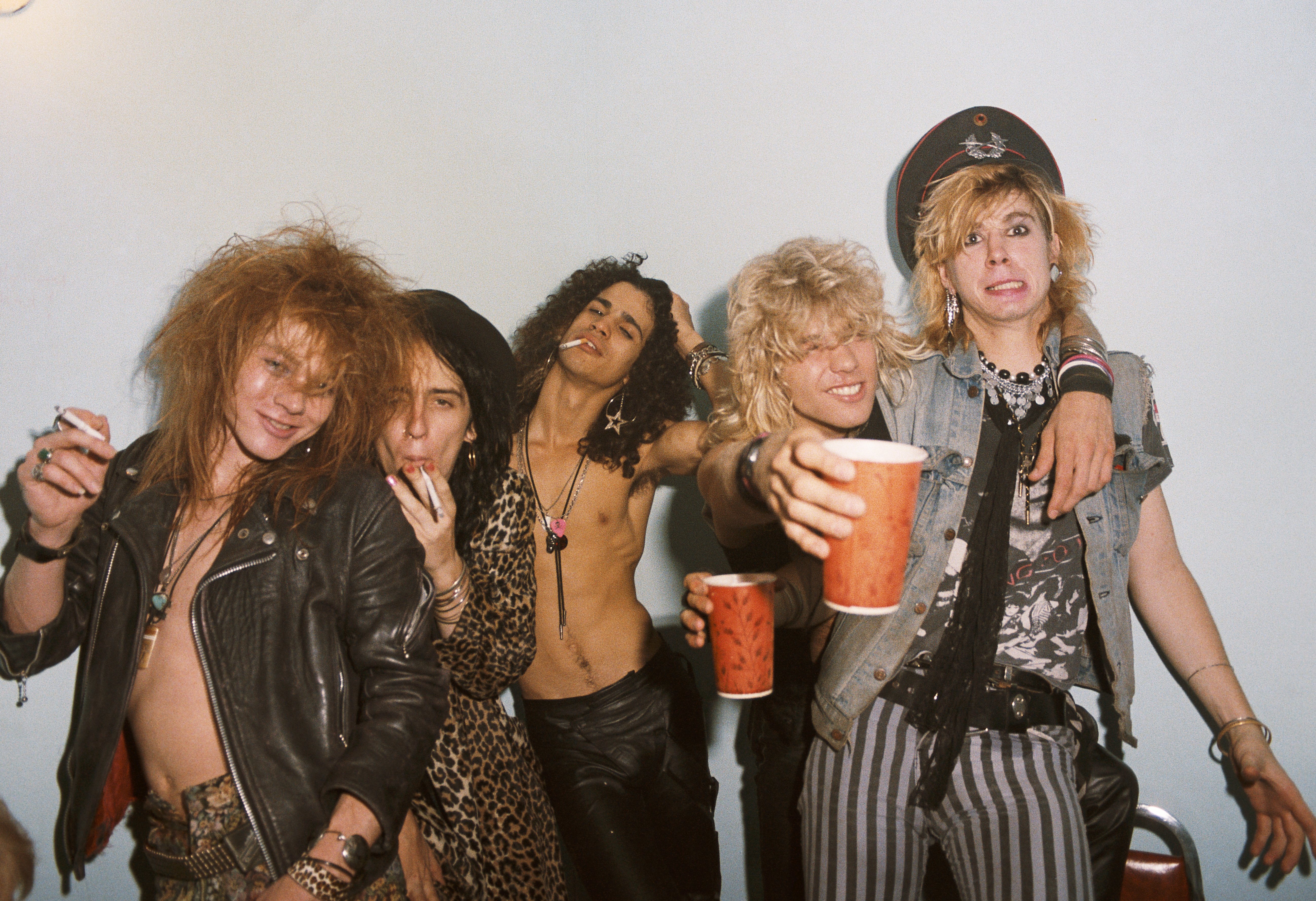
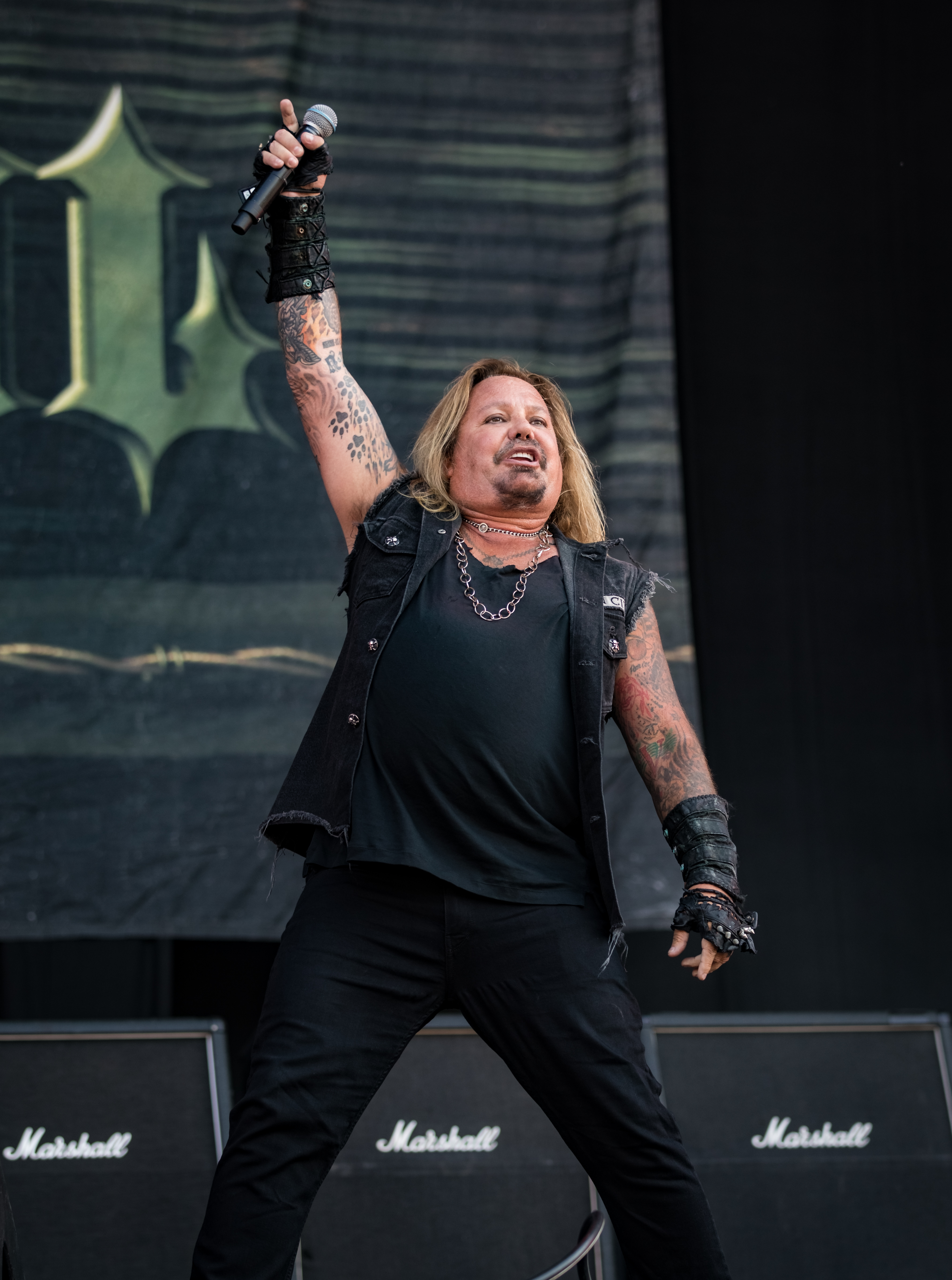
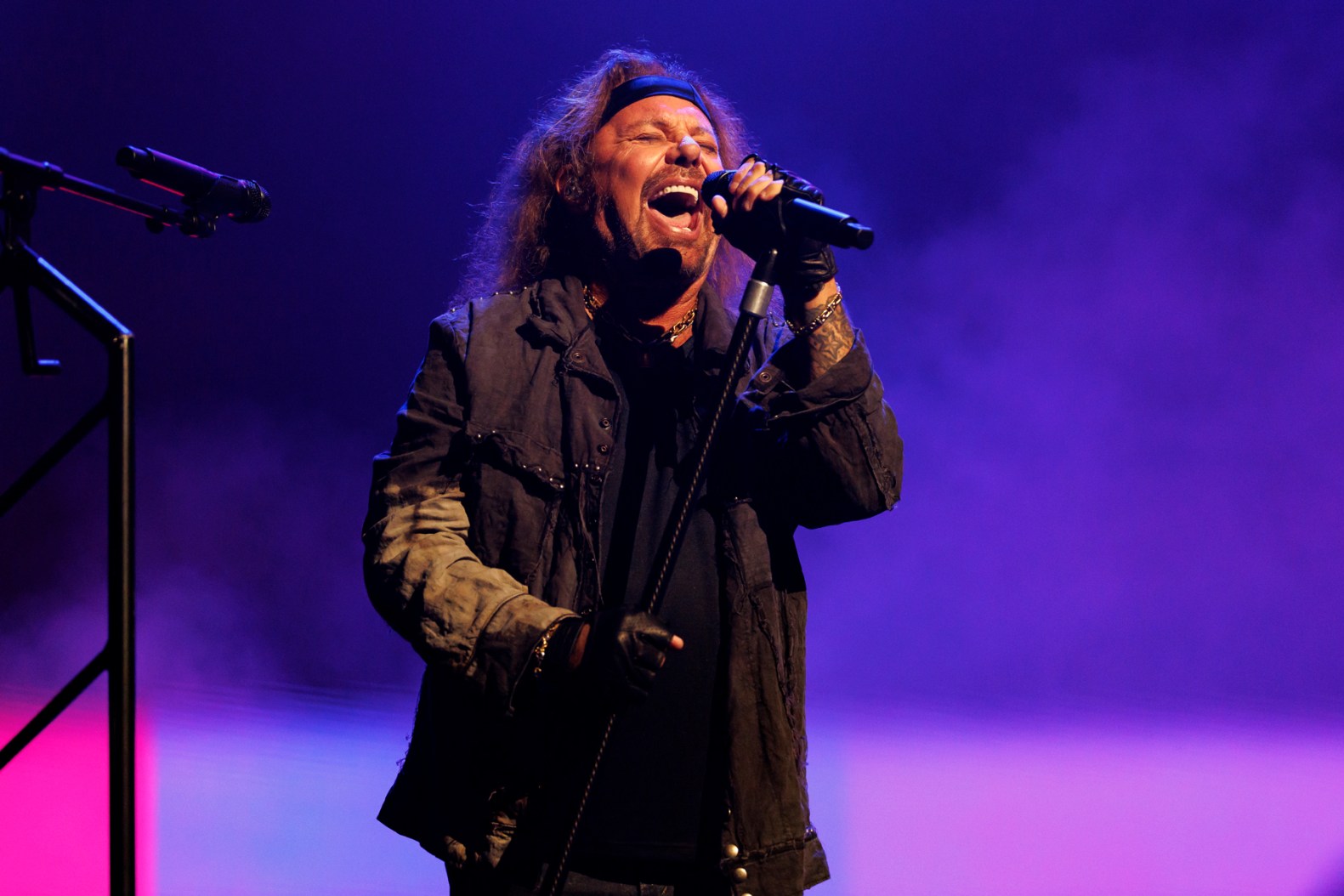
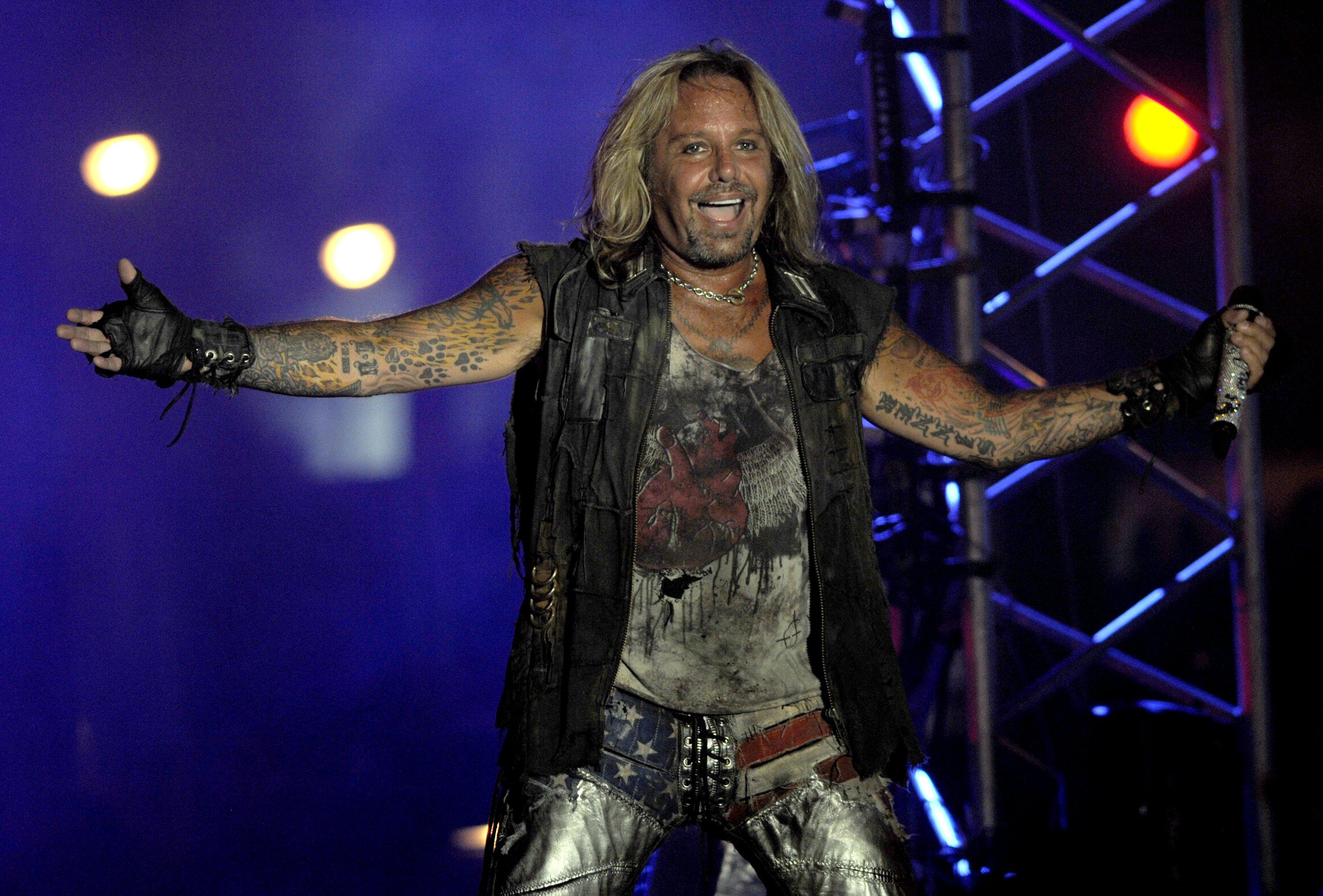
Mötley Crüe: The Band That Weaponized Chaos and Learned to Survive It
Some bands flirt with danger.
Mötley Crüe moved in.
Mötley Crüe didn’t polish rebellion into something tasteful. They amplified it until the room shook, then figured out how to sell every ticket in the building. For musicians, Crüe isn’t just excess and headlines. It’s a study in how attitude, hooks, and spectacle can overpower gatekeepers—and how survival eventually requires discipline.
What follows is an authentic career arc and 22 musician-level realities players, producers, and tour vets still debate when they want to understand how a band turns chaos into infrastructure.
Early 1980s: Sunset Strip as Boot Camp
1. Crüe was built for the stage first
Songs were written to hit hard in loud rooms before they ever hit tape.
2. Image was strategy, not accident
Leather, hair, danger. Visual impact bought seconds of attention. Songs had to keep it.
3. Hooks mattered more than virtuosity
If a chorus didn’t land immediately, it didn’t survive the set.
4. They understood the Strip economy
Crowds, flyers, word of mouth. Momentum beat approval.
The Engine Room
5. Nikki Sixx wrote like a producer
Verse economy. Chorus inevitability. Space for attitude.
6. Bass followed drums, not guitars
That choice gave the band weight without clutter.
7. Tommy Lee played for spectacle and pocket
Big motions, steady time. Show never broke the groove.
8. Tempos were chosen for head movement
Physical response drove arrangement decisions.
The Front and the Edge
9. Vince Neil sang with urgency over perfection
Tone carried attitude. Cleanliness was optional.
10. Phrasing stayed simple to survive volume
Big rooms demand clarity, not complexity.
11. Mick Mars built riffs like machinery
Minimal notes. Maximum menace.
1983–1989: Excess Meets Precision
12. Studio polish arrived without killing danger
Production sharpened edges instead of sanding them off.
13. Power ballads were structural decisions
Contrast widened the audience without changing the core.
14. Crüe learned to pace albums like sets
Energy arcs mattered more than genre purity.
Live Crüe: Controlled Mayhem
15. Pyro and theatrics were timed musically
Impact followed phrasing. Chaos stayed choreographed.
16. Solos stayed short to protect momentum
Spectacle carried more weight than indulgence.
17. Crowd participation was engineered
Call-and-response was built into the songs.
Collapse, Reset, Repeat
18. Burnout followed unchecked velocity
Musicians recognize this curve instantly.
19. Lineup changes tested identity
The brand survived because the songs were simple and direct.
20. Sobriety and structure changed the machine
Discipline didn’t kill the band. It extended it.
The Long Game
21. Crüe understood nostalgia as a resource
Memory is a venue. They learned how to fill it.
22. They proved survival requires adaptation, not apology
Growth didn’t erase the past. It contained it.
Why Mötley Crüe Still Matters to Musicians
Mötley Crüe teaches a lesson the industry rarely admits.
Energy can open doors skill alone cannot.
Spectacle is a tool when it serves the song.
And chaos, if left unmanaged, always collects a debt.
They didn’t adapt by pretending the excess never happened.
They adapted by building systems strong enough to hold it.
In a music world that still confuses danger with substance, Mötley Crüe remains relevant because they understood both sides of the equation—the thrill that sells tickets and the discipline that keeps the lights on.
They didn’t just live fast.
They figured out how to last.
