
Kenny Rogers
Kenny Rogers: The Man Who Understood That Songs Are Stories and the Room Is the Jury
Some artists chase range.
Some chase rebellion.
Kenny Rogers chased clarity—and in doing so, built one of the most durable careers in American music.
Kenny Rogers didn’t overpower listeners. He convinced them. He understood something musicians often learn too late. If the story lands, the voice only needs to tell the truth. Not impress. Not dominate. Just deliver.
For musicians, Kenny Rogers is not soft. He’s surgical.
What follows is an authentic career arc and 22 musician-level truths that singers, writers, bandleaders, and producers still reference when they want to understand how restraint turns into authority.
Early Years: Built Across Genres, Not Sheltered by One
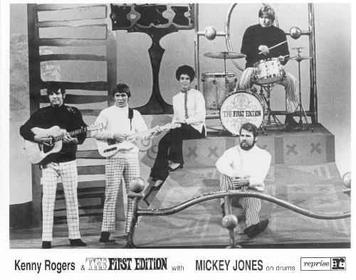
1. Kenny came up in bands, not spotlights
Before solo fame, he learned compromise, blend, and listening.
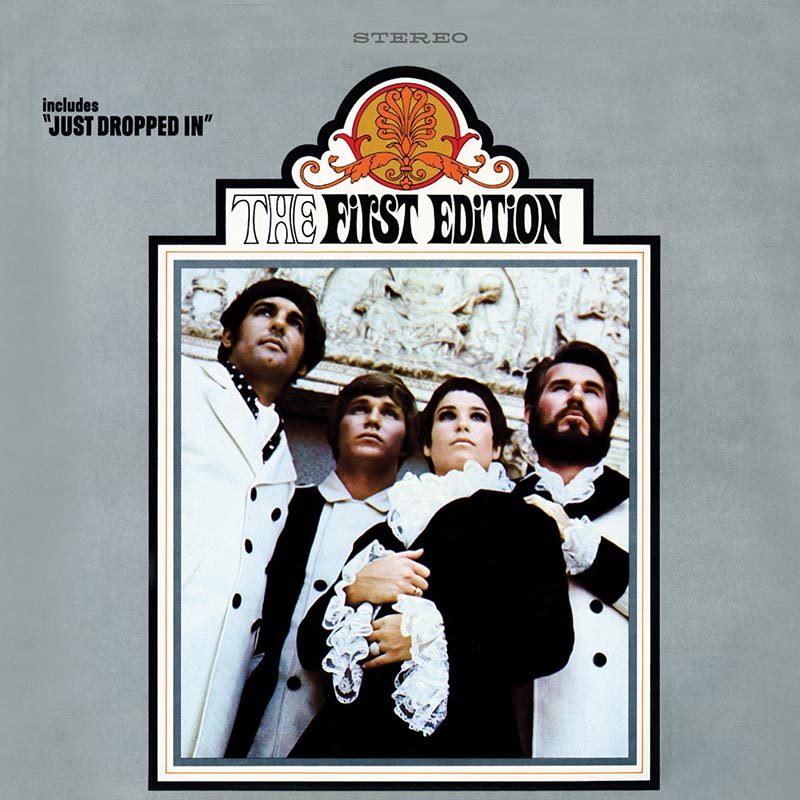
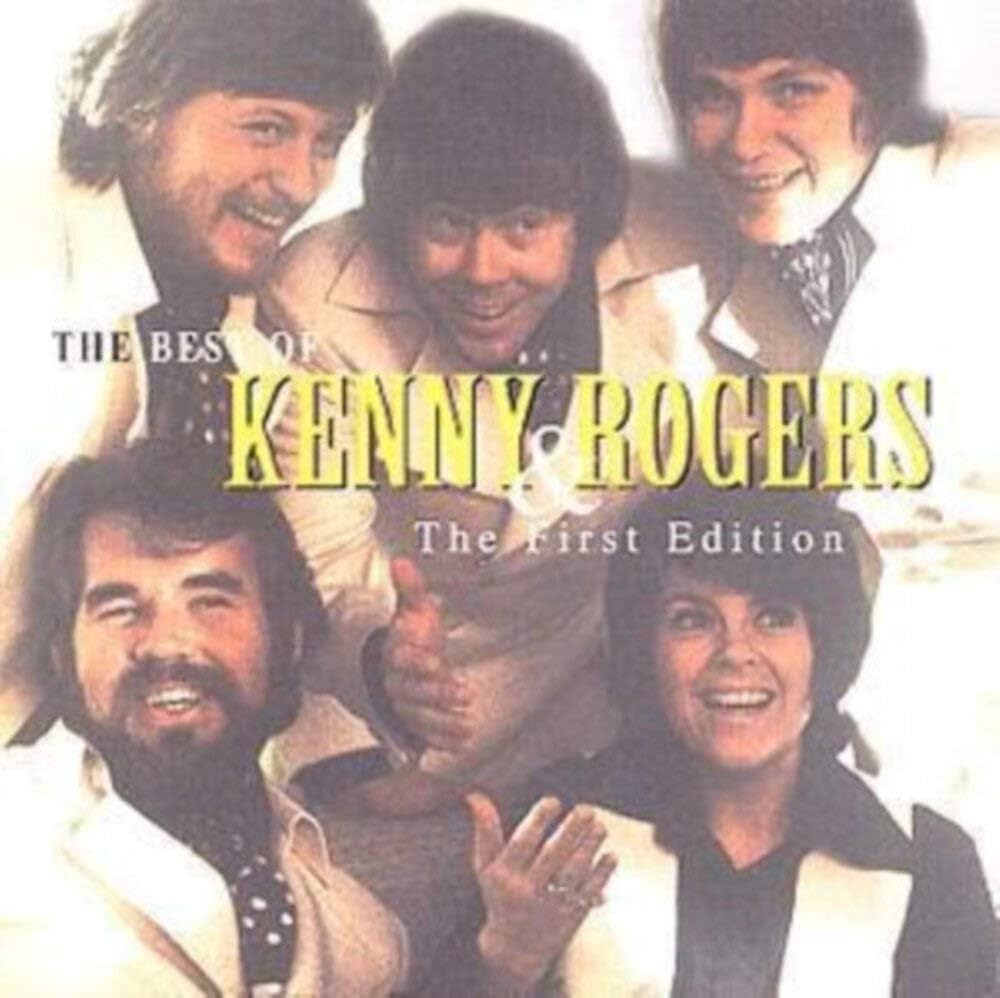
2. The First Edition taught him edge
Rock, folk, and psychedelic elements hardened his instincts long before country embraced him.
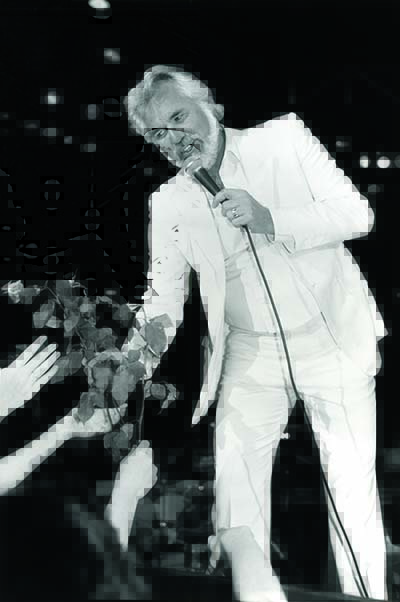
3. He learned when not to sing
Silence between lines became part of the delivery.
4. His phrasing prioritized comprehension over flair
Every word mattered more than the note carrying it.
The Voice: Why It Worked Everywhere
5. Kenny’s range was modest and intentional
He never sang past the story’s needs.
6. His tone stayed conversational
Listeners felt spoken to, not performed at.
7. He placed lyrics squarely on the beat
Stability builds trust. Trust carries narratives.
8. He avoided vocal dramatics on purpose
Emotion came from context, not strain.
The Gambler Era: Storytelling as Infrastructure
9. Kenny chose songs like screenplays
Beginning, tension, resolution. Nothing accidental.
10. “The Gambler” worked because he didn’t oversell it
The calm delivery let the wisdom breathe.
11. He respected narrative pacing
Verses set the table. Choruses didn’t interrupt the meal.
12. He understood that relatability scales
Specific stories became universal because they were grounded.
The Performer: Subtle Command
13. Kenny controlled rooms without theatrics
Eye contact and timing replaced spectacle.
14. His band followed his breath, not cues
Leadership through feel, not force.
15. Tempos stayed steady to protect the story
Rushing kills meaning. He never rushed.
Crossing Formats Without Losing Identity
16. Kenny moved between pop, country, and adult contemporary cleanly
Genre was a vehicle, not a prison.
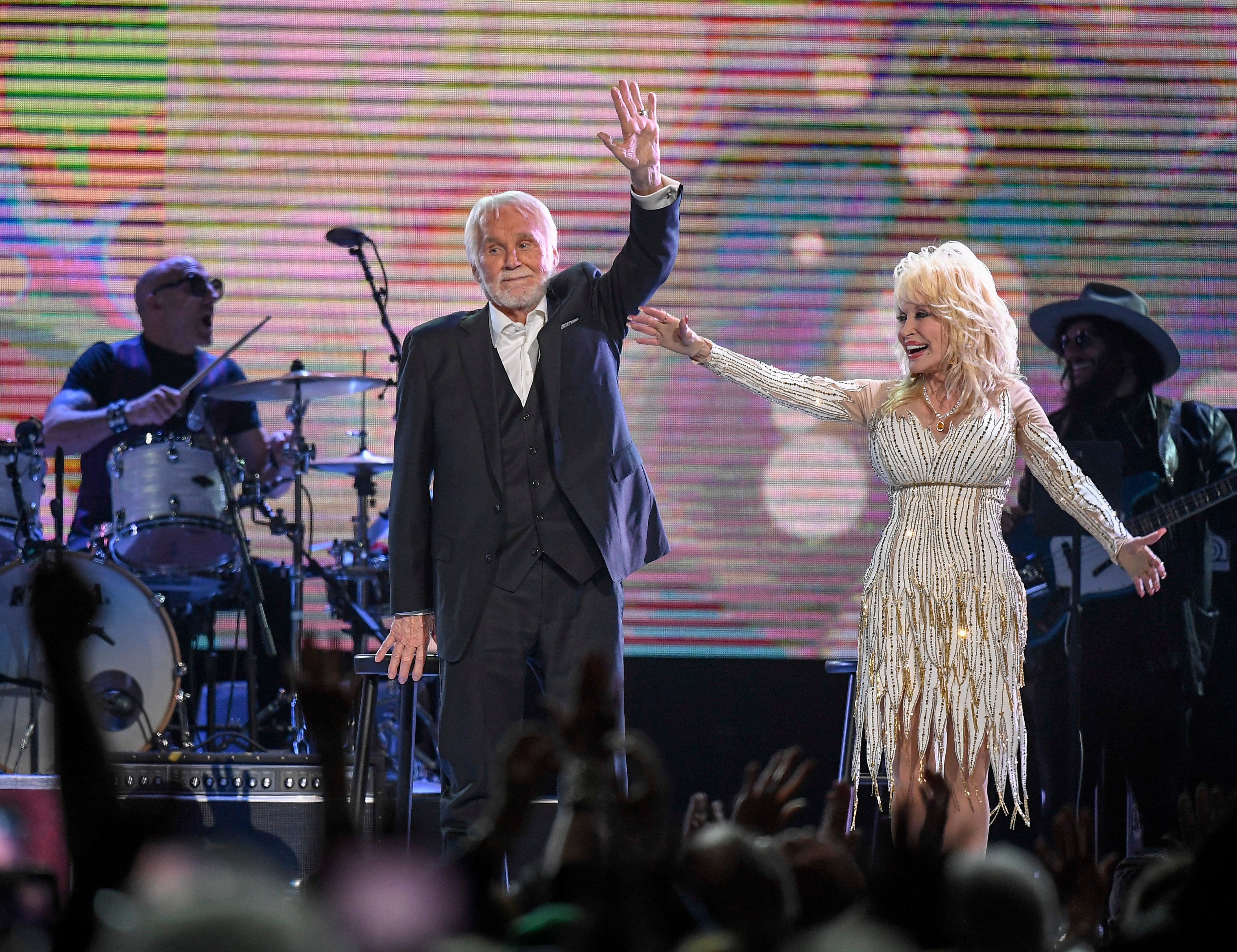
17. Duets worked because he made space
He elevated partners by not competing.
18. He treated collaborators generously
That reputation opened doors quietly.
Longevity Through Self-Awareness
19. Kenny knew when to lower keys
Aging changed the range, not the authority.
20. He adjusted arrangements instead of fighting time
Smart artists adapt the frame, not the truth.
21. He leaned into acting because he understood character
Songs are roles. He played them convincingly.
The Quiet Legacy
22. Kenny Rogers proved that confidence doesn’t need volume
Believability beats bravado every time.
Why Kenny Rogers Still Matters to Musicians
Kenny Rogers teaches a lesson that rarely trends.
You don’t have to shout to be heard.
You don’t have to dominate to lead.
You don’t have to dazzle to endure.
In an industry obsessed with edge and extremity, Kenny Rogers remains radical because he trusted listeners to lean in. He trusted songs to carry weight. He trusted restraint as a strength.
He didn’t adapt by chasing youth or noise.
He adapted by becoming clearer.
And every musician trying to tell a story that lands clean, honest, and lasting is still learning from Kenny Rogers—one well-placed line at a time.
