
Hank Williams Jr.


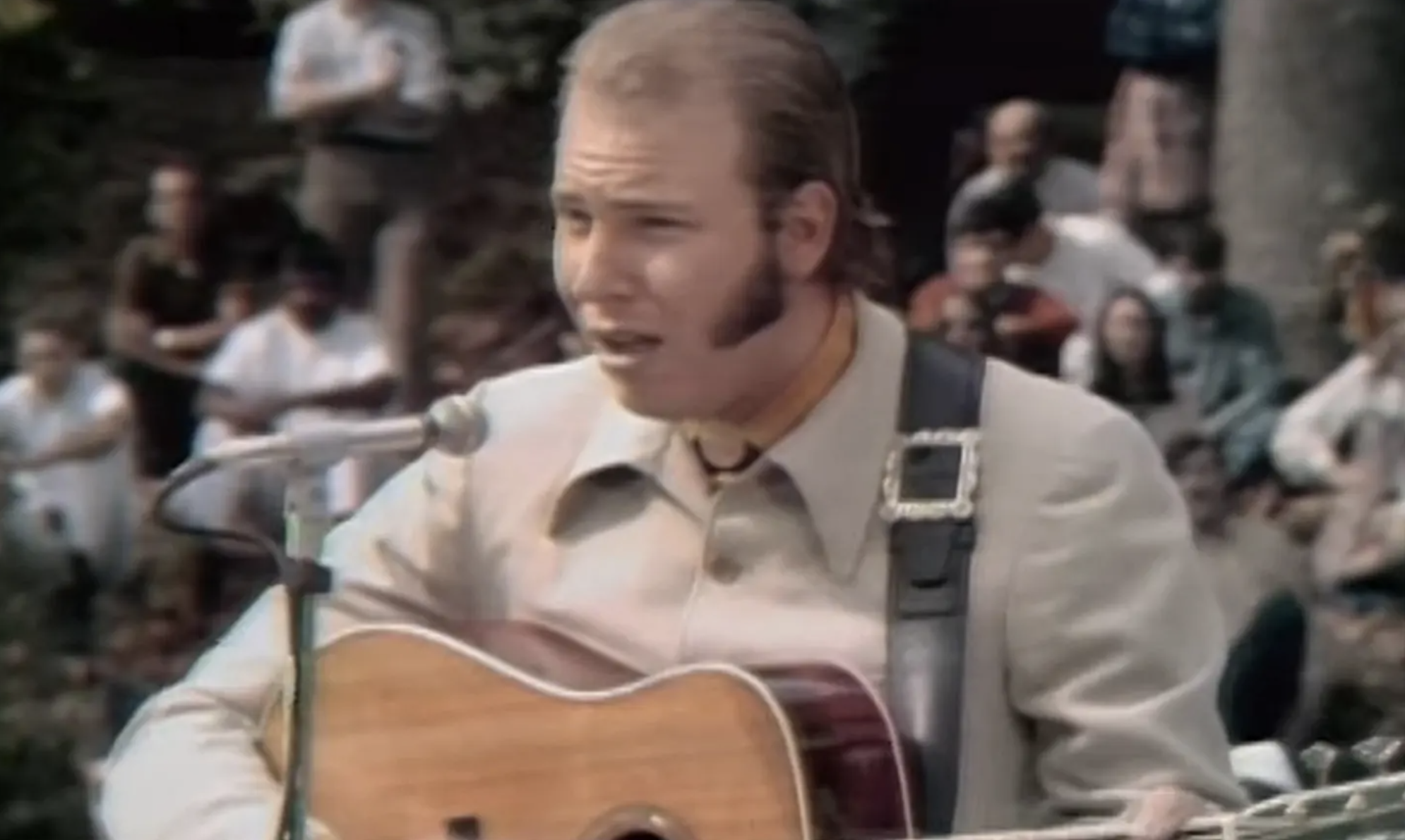
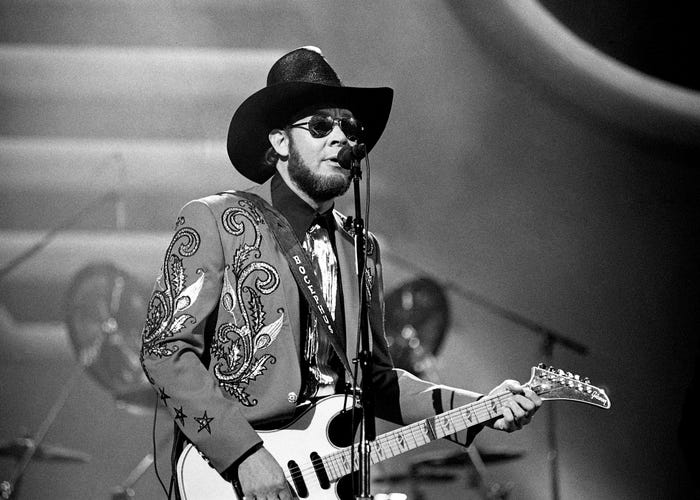
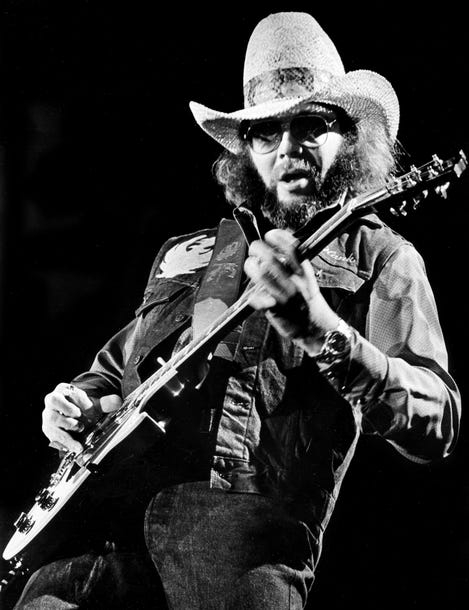
Hank Williams Jr.: The Man Who Survived the Shadow and Built His Own Thunder
Some artists inherit a legacy.
Hank Williams Jr inherited a ghost—and had to wrestle it to the ground in public.
For musicians, Hank Jr. is not just “Bocephus.” He’s a brutal case study in identity, pressure, rebellion, and survival. Imagine being forced to sing another man’s pain before you’ve earned your own voice—and then being blamed for trying to find it.
Hank Jr. didn’t run from tradition. He detonated it, rebuilt it, and made it loud enough to belong to him.
What follows is an authentic career arc and 22 musician-level truths artists still study when they want to understand how someone breaks free from an impossible shadow without losing the audience—or themselves.
Childhood Under the Microscope
1. Hank Jr. was marketed before he understood consent
He was pushed onstage to recreate his father, Hank Williams, before identity could form.
2. He learned impersonation before self-expression
That delay shaped his later resistance. Musicians recognize this damage instantly.
3. His early success was someone else’s vision
Crowds loved the memory, not the man.
4. Resentment became fuel
Pressure hardened into defiance. That edge never left.
The Break and the Reckoning
5. The Montana accident nearly ended everything
A fall that shattered his skull forced a reset—physically and psychologically.
6. Recovery rewired his priorities
Pain clarified voice. Survival sharpened honesty.
7. He walked away from Nashville expectations
Not quietly. Not politely. He burned the blueprint.
8. Southern rock gave him permission
Electric guitars, drums, volume. The sound finally matched the fight.
Building the Bocephus Identity
9. Hank Jr. fused country storytelling with rock aggression
This wasn’t crossover. It was confrontation.
10. He sang with grit earned, not borrowed
The voice dropped. The phrasing slowed. Authority arrived.
11. His band was chosen for power, not polish
Groove mattered more than radio friendliness.
12. He leaned into regional truth
Pride, anger, humor, contradictions—all intact.
The Songs Musicians Respect
13. Hank Jr. wrote from lived conflict, not nostalgia
Songs weren’t about the past. They were about surviving it.
14. Choruses hit because verses carried weight
No shortcuts. No filler.
15. Humor functioned as armor
Sarcasm kept sentiment from softening too much.
Live Performance: Defiance on Display
16. Shows were loud by design
Volume asserted independence. Silence was no longer safe.
17. He commanded crowds without courting them
Take it or leave it energy. Confidence carried the room.
18. Setlists reflected identity, not expectations
He played what fit him, not what fit history.
Longevity, Controversy, and Cost
19. Hank Jr. never curated likability
That refusal alienated some and bonded others fiercely.
20. He accepted polarizing status as inevitable
Musicians understand this tradeoff deeply.
21. He protected his independence aggressively
Control mattered more than consensus.
The Lasting Lesson
22. Hank Williams Jr. proved lineage does not define destiny
Respect for tradition doesn’t require obedience.
Why Hank Williams Jr. Still Matters to Musicians
Hank Jr. teaches one of the hardest lessons in American music.
You can honor your roots without becoming trapped by them.
You can reject expectations without rejecting truth.
You can survive inheritance by earning your own scars.
In an industry addicted to lineage, branding, and nostalgia, Hank Williams Jr. stands as proof that identity must be claimed, not granted.
He didn’t adapt by polishing the past.
He adapted by fighting for the right to exist in the present.
And every artist trying to step out of someone else’s shadow—family, genre, scene, or system—is still walking the road Hank Williams Jr. blasted open, loud, unapologetic, and very much his own.
