
Elvis Presley

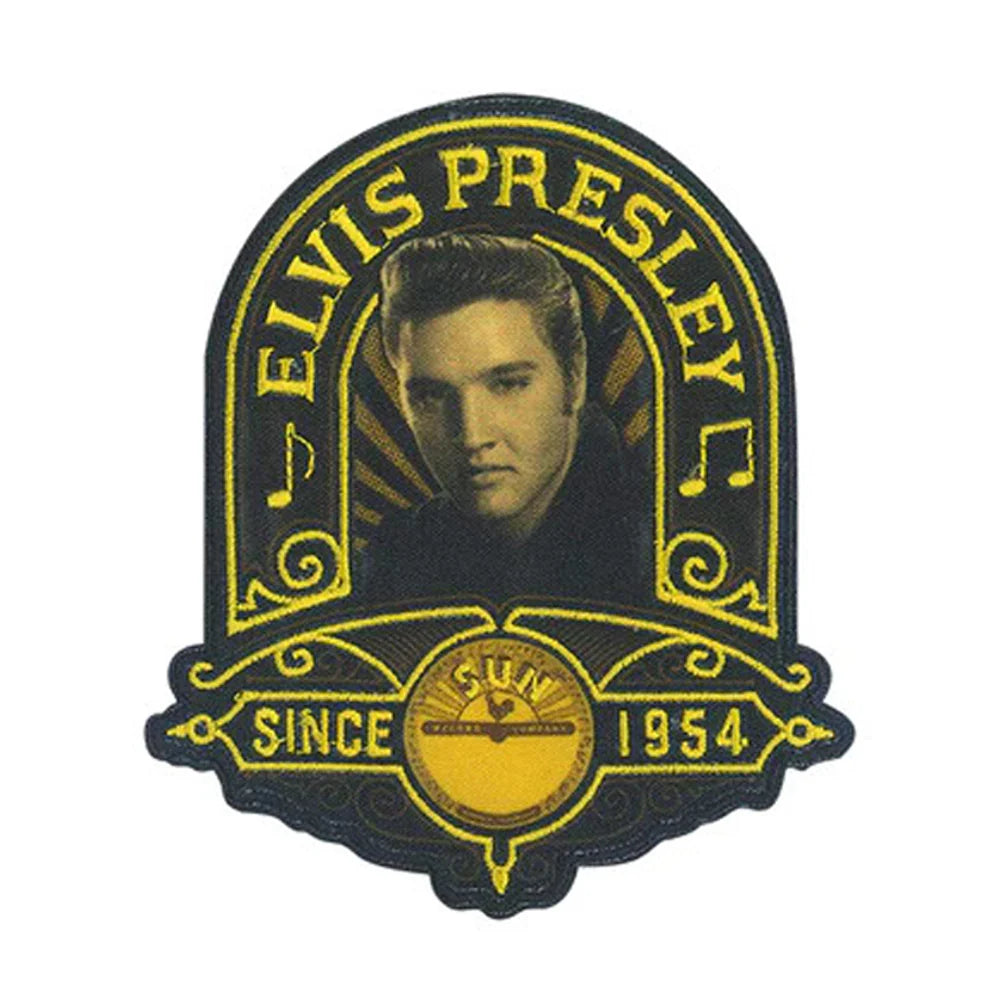


Elvis Presley: The Blueprint Nobody Escaped
There is no modern live music economy without Elvis Presley.
None. Not the superstardom. Not the hysteria. Not the money. Not the backlash.
Elvis didn’t just change music. He changed gravity. After him, everything leaned forward.
Below is a career timeline and 22 musician-level truths about Elvis that still circulate quietly among bandleaders, producers, touring artists, and anyone who has ever stood under hot lights wondering how one person can move a room like that.
This is not myth. This is mechanics.
1953–1955: The Accident That Changed Everything
1. Elvis was not trying to invent rock and roll
He was trying to sound like everyone he loved. Gospel quartets. Blues singers. Country crooners. The fusion came from honesty, not strategy.
2. Sun Records captured energy, not perfection
Producer Sam Phillips prioritized feel over polish. Missed notes stayed if the take burned hot.
3. Elvis sang behind the beat instinctively
This gave his vocals a dangerous looseness musicians still chase. Timing, not range, made him lethal.
4. His rhythm came from gospel, not dance
The movement followed the phrasing. The phrasing followed the spirit. Everything else was reaction.
1956–1958: Detonation Phase
5. Elvis turned live performance into a physical event
Before Elvis, most singers stood still. After Elvis, the body became part of the instrument.
6. His band locked in around him, not the other way around
Drums, bass, and guitar followed his breathing. That elasticity is brutally hard to replicate.
7. He weaponized television
National broadcasts turned regional energy into cultural shockwaves overnight.
8. Musicians noticed the silence between screams
Elvis understood pacing. He waited. He let the room break itself open.
1958–1960: The Interruption
9. The Army froze his momentum but sharpened his mystique
When Elvis returned, the absence made him mythic. Scarcity multiplied impact.
10. His voice deepened and gained control
The raw edge remained, but phrasing became more deliberate. Musicians hear this immediately in post-Army recordings.
1960–1967: Hollywood Years and Hidden Costs
11. Studio musicians carried much of the experimentation
Film contracts limited risk. The sound became cleaner but less volatile.
12. Elvis could record quickly when engaged
When material mattered to him, sessions were fast and focused. Disengagement slowed everything.
13. He hated repetition without evolution
The frustration musicians feel when stuck playing safe material lived inside him constantly.
1968: Resurrection on Live Television
14. The 1968 Comeback Special reset live music culture
Black leather. Minimal set. Eye contact. Sweat. No orchestra hiding flaws.
15. He sang like a man reclaiming territory
The phrasing was sharper. The pauses heavier. This is master-level emotional timing.
16. Musicians clocked his renewed authority immediately
This was not nostalgia. This was dominance reasserted.
1969–1973: The Vegas Era and Peak Control
17. Elvis treated Vegas shows like athletic events
Setlists were demanding. Tempos were pushed. Mistakes were unacceptable.
18. He rehearsed entrances and exits as carefully as songs
Stagecraft became architecture. Nothing was accidental.
19. His band operated like a touring machine
Cue awareness. Dynamic control. Instant recovery if something went wrong.
20. Elvis could still command silence from thousands
That level of authority cannot be faked or programmed.
1974–1977: Decline Under the Spotlight
21. The voice remained powerful longer than the body
Musicians recognize this imbalance. The instrument outlasting the frame is a known tragedy.
22. Elvis never lost the audience’s belief
Even late, the connection held. That bond is the rarest currency in live music.
Why Elvis Still Matters to Working Musicians
Elvis proved that authenticity scales.
That vulnerability can be louder than distortion.
That timing beats perfection.
That the body, the voice, and the moment are inseparable.
In today’s industry of cloned aesthetics and algorithmic polish, Elvis stands as a warning and a roadmap. You can manufacture sound. You cannot manufacture presence.
Elvis Presley didn’t survive because he was flawless.
He survived because he was felt.
And every artist stepping onstage today, fighting noise with truth, is still walking through the door he kicked open.
