
Sublime
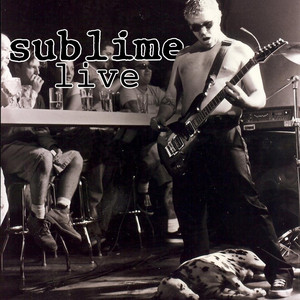
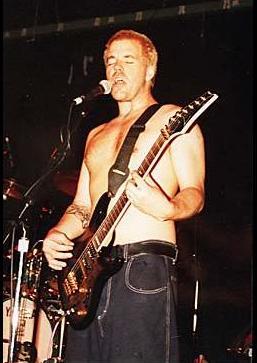

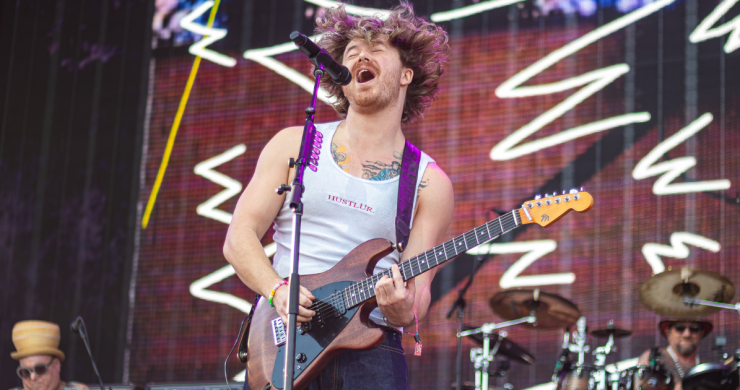
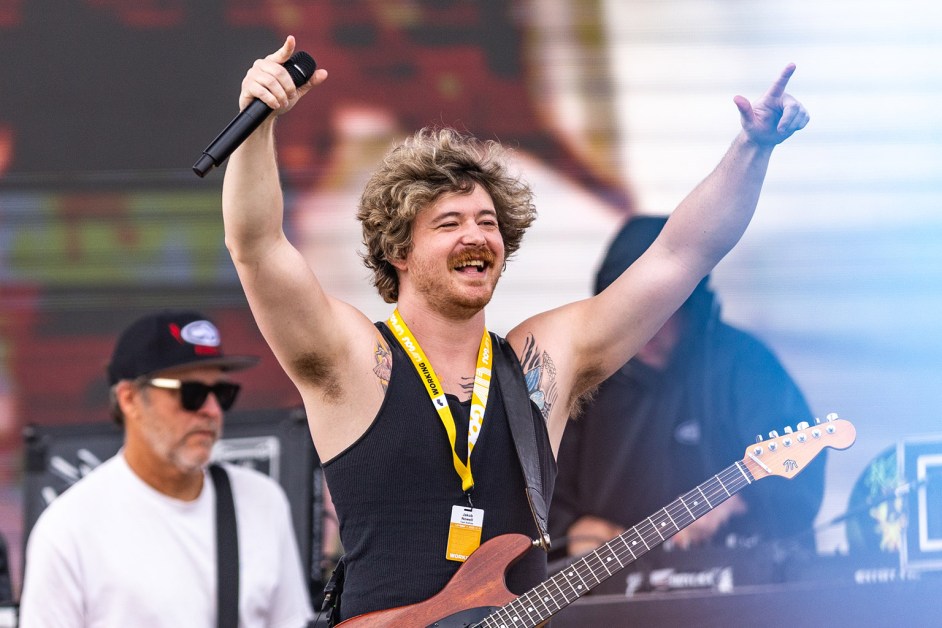
Sublime: The Band That Sounded Like Southern California Because It Actually Lived There
Some bands represent scenes.
Sublime documented one—unfiltered, sunburned, broke, brilliant, and already cracking at the edges.
Sublime didn’t invent ska, punk, reggae, hip-hop, or dub. They smashed them together the way kids do when they don’t know they’re not supposed to. No permission. No genre map. Just whatever hit hard enough to survive the day.
For musicians, Sublime isn’t a vibe. It’s a warning and a love letter at the same time.
What follows is an authentic career arc and 22 musician-level realities players still talk about when they want to understand how honesty can feel effortless and still cost everything.
Long Beach Before the Logo
1. Sublime was built outside the industry
Backyards. Beaches. Warehouses. Word-of-mouth replaced infrastructure.
2. Songs were written for friends first
If the room moved, the song stayed. If it didn’t, it vanished.
3. Genre blending wasn’t a strategy
It was environment. Reggae on one block. Punk on the next. Hip-hop everywhere.
4. They treated tapes like flyers
Bootlegs spread faster than press ever could.
Bradley Nowell: The Center of Gravity
5. Bradley Nowell sang like he was talking to one person
Intimate delivery made chaos feel personal.
6. His guitar playing prioritized rhythm over flash
Upstrokes, skank, and pocket mattered more than solos.
7. He sang behind the beat instinctively
That drag gave the music its lazy-but-dangerous feel.
8. Lyrics mixed humor, pain, and observation without editing
That honesty is impossible to fake.
The Sound: Why It Still Feels Alive
9. Sublime treated the studio like a collage
Radio snippets. Dogs barking. Arguments. Life stayed on tape.
10. Imperfection wasn’t tolerated—it was embraced
If it felt right, it stayed.
11. Bass lines anchored everything
Reggae discipline held punk energy in place.
12. Drums played the pocket, not the genre
Feel over allegiance.
Ska, Punk, Reggae—No Apologies
13. Sublime respected reggae deeply
This wasn’t cosplay. It was study and love.
14. Punk showed up in attitude, not speed
Defiance mattered more than BPM.
15. Hip-hop influence shaped phrasing and space
Rhythm lived between words as much as notes.
Live Sublime: Loose, Dangerous, Real
16. No two shows sounded the same
Sets flexed with mood, crowd, and circumstance.
17. Crowd connection replaced polish
People felt included, not impressed.
18. Mistakes became moments
Recovery mattered more than execution.
The Cost of No Filter
19. Substance abuse wasn’t romantic—it was corrosive
Musicians hear the instability beneath the ease.
20. Success arrived too late to save the core
The self-titled album hit after the center was gone.
The Legacy That Wouldn’t Die
21. Sublime proved scenes can outlive bands
The culture kept moving even when the voice stopped.
22. They showed that authenticity scales—but demands care
Truth travels fast. It also burns hot.
Why Sublime Still Matters to Musicians
Sublime teaches a lesson that doesn’t come with a safety net.
You don’t need permission to blend worlds.
You don’t need polish to be timeless.
But you do need boundaries to survive your own fire.
They didn’t adapt by refining their sound.
They adapted by being exactly where they were, exactly when they were there.
In a music industry obsessed with branding and retrospection, Sublime remains untouchable because they weren’t trying to last. They were trying to live.
And every band that sounds like a place instead of a product—every song that feels like it wandered in from the street and decided to stay—is still carrying the echo of Sublime.
