
Bob Dylan
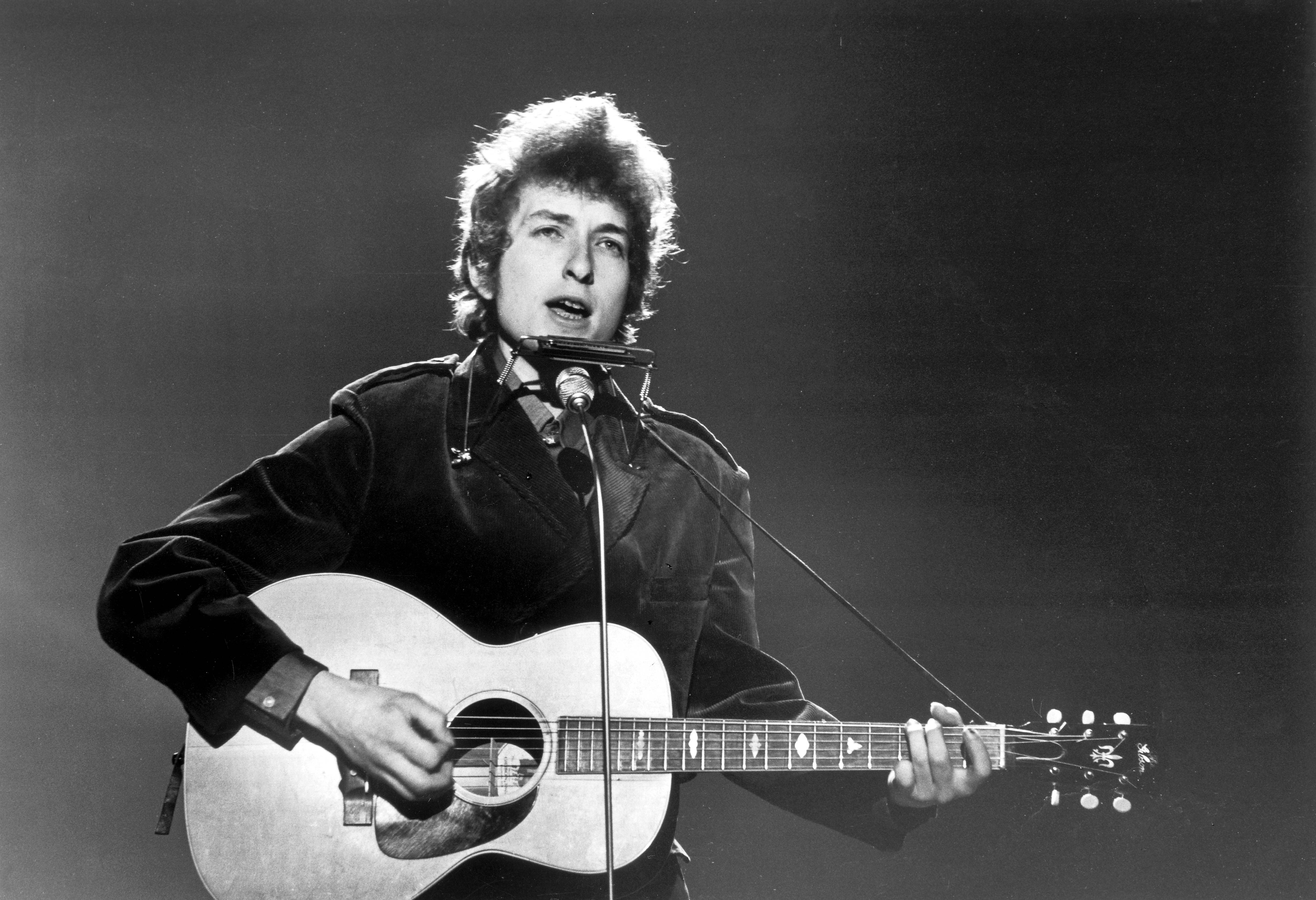
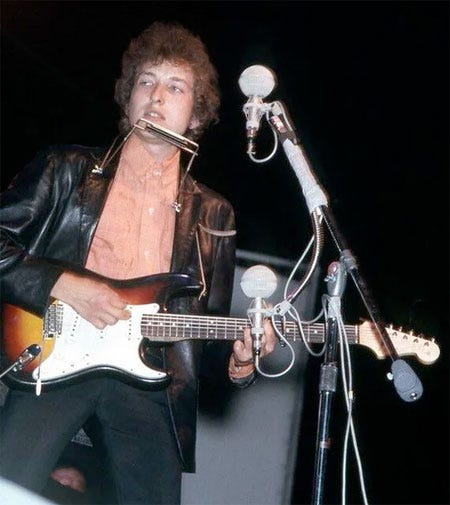
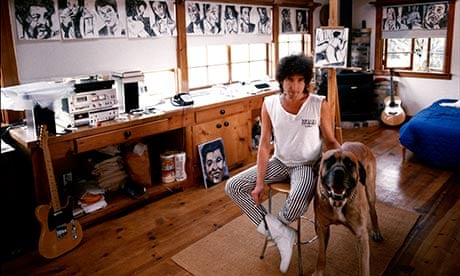
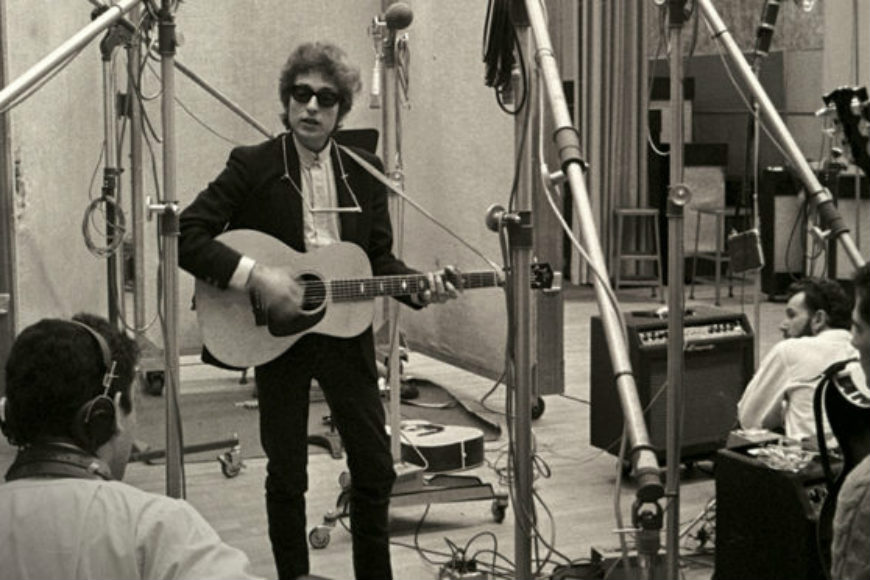
Bob Dylan: The Man Who Refused to Be Useful and Changed Music Forever
Some artists want to be understood.
Bob Dylan wanted to be honest—and understood that those two things rarely coexist.
Dylan didn’t just write songs. He destabilized expectations. Every time the world figured out how to use him, he moved. Folk prophet. Electric villain. Country mystic. Gospel preacher. Gravel-voiced archivist. He never stayed long enough to become comfortable—or controllable.
For musicians, Bob Dylan isn’t a genre. He’s permission.
What follows is an authentic career arc and 22 musician-level realities writers, bandleaders, and lifers still study when they want to understand how refusing clarity can become the clearest artistic stance of all.
Early Years: Language Before Voice
1. Dylan learned words before he learned tone
Lyrics carried weight long before vocal prettiness entered the equation.
2. He treated folk music as a delivery system, not a destination
Tradition was a launchpad, not a cage.
3. His phrasing mimicked speech, not singing
That conversational rhythm made songs feel urgent and alive.
4. He absorbed literature like a songwriter absorbs chords
Rimbaud, the Bible, the Beats. Reference points became fuel.
1963–1965: The Shockwave
5. Dylan wrote songs faster than the culture could process them
Protest anthems arrived before institutions could neutralize them.
6. He refused spokesperson status immediately
Musicians note this instinct. Labels follow comfort. Dylan fled it.
7. Going electric wasn’t rebellion—it was inevitability
The songs demanded voltage. Purists didn’t get a vote.
8. He sang against expectation
Tone became texture. Resistance became sound.
The Sound: Why It Still Cuts
9. Dylan’s melodies are deceptively simple
The complexity lives in cadence and phrasing.
10. He places consonants like percussion
Lyrics punch because timing punches.
11. The harmonica functions as punctuation, not decoration
It interrupts, accuses, comments.
12. He lets imperfections stay on tape
Truth outranks polish every time.
Late 1960s–1970s: Shape-Shifting as Survival
13. Dylan disappeared to regain authorship
Withdrawal was strategy, not retreat.
14. Country records confused critics but grounded the voice
Simplicity recalibrated everything.
15. The Rolling Thunder Revue was controlled chaos
Masks, rewrites, nightly reinvention. Songs lived again.
16. He rewrote his own catalog live without apology
Ownership meant mutability.
The Voice and the Aging Instrument
17. Dylan treated vocal decay as evolution
Roughness became authority.
18. He adjusted keys and tempos ruthlessly
Preservation beat nostalgia.
19. He sings inside the lyric now
Meaning comes from emphasis, not melody.
The Long Game
20. Dylan never courted legacy
Archives happened anyway.
21. He understands mystery as a boundary
Explanation dilutes impact.
22. He proved that refusal can be a creative engine
Saying no kept the work alive.
Why Bob Dylan Still Matters to Musicians
Bob Dylan teaches a lesson that terrifies and frees artists in equal measure.
You do not owe the audience the version of you they prefer.
You do not owe clarity when confusion is more honest.
You do not owe consistency when growth demands rupture.
He didn’t adapt by smoothing his edges.
He adapted by moving—sometimes sideways, sometimes backward, always forward in intent.
In a music industry obsessed with branding, Dylan remains radical because he refuses to be pinned down. He let songs age, voices crack, meanings shift, and audiences catch up or fall away.
And every musician brave enough to follow curiosity instead of applause is still responding to the question Dylan asked decades ago—quietly, stubbornly, and without waiting for permission.
