
Jerry Lee Lewis
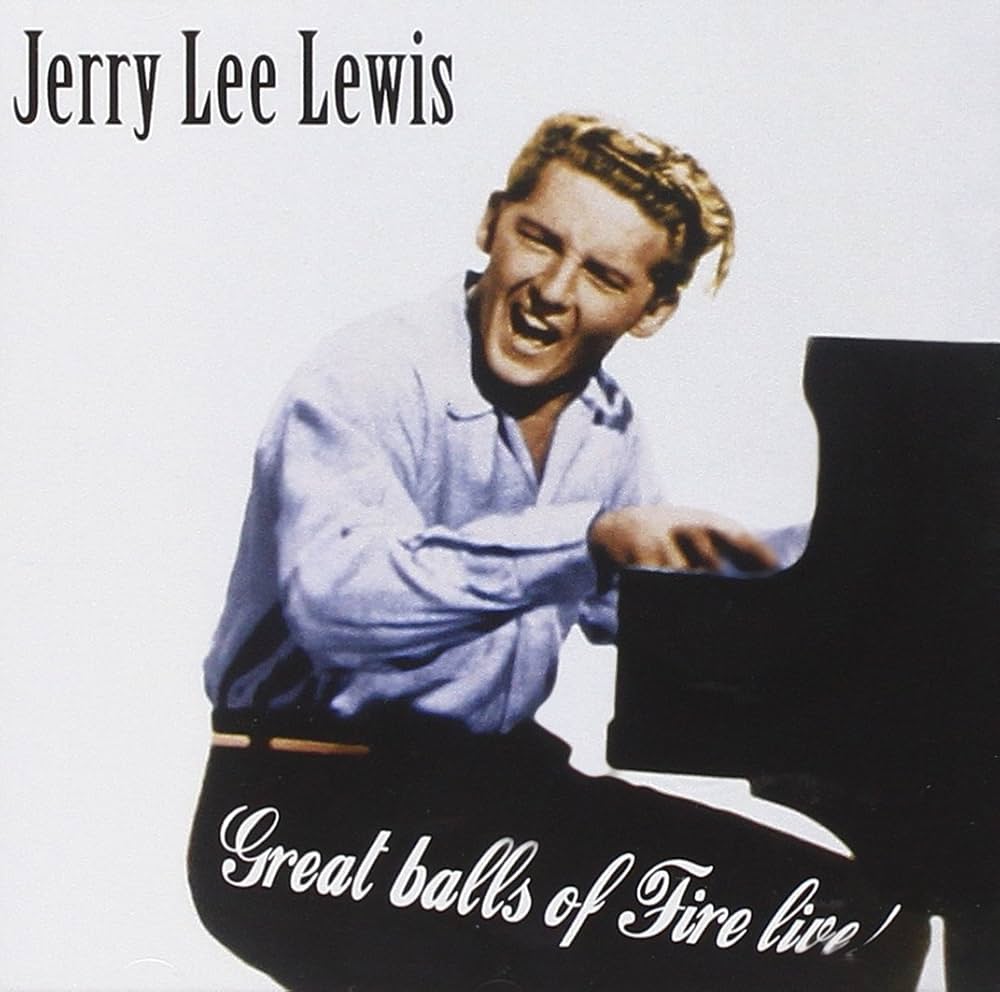

Jerry Lee Lewis: The Original Threat Rock and Roll Never Tamed
Before rebellion became branding, before chaos was choreographed, Jerry Lee Lewis walked onstage like a warning.
Jerry Lee didn’t perform songs.
He attacked them.
To musicians, especially those who live onstage, Jerry Lee Lewis represents something terrifying and rare. Total abandon backed by total command. No safety net. No moderation. No concern for whether the building would survive the set.
This is not a legend built on polite admiration. This is a career that forced rock and roll to admit it was dangerous.
What follows is an authentic career arc and 22 raw, musician-level realities that players still talk about in low voices when discussing what it really means to bring fire into a room.
Roots: Gospel, Sin, and the Piano as a Weapon
1. Jerry Lee learned piano in church, not bars
Gospel trained his left hand to thunder and his right hand to testify. That intensity never left.
2. He believed rock and roll was sinful—and played it anyway
That internal conflict powered the danger. Musicians feel this tension immediately.
3. His boogie-woogie foundation made him unstoppable
Once the left hand locked, nothing could derail the song.
4. He sang like a preacher who lost the sermon
Call-and-response phrasing. Shouts. Groans. Silence used as threat.
Sun Records: Ignition Point
5. Jerry Lee treated the piano like a drum kit
Percussive attack. Physical dominance. Rhythm drove melody.
6. He didn’t respect studio hierarchy
If a take felt right, it was right. Period.
7. His timing pushed ahead of the beat on purpose
Urgency lived inside the tempo. That pressure made audiences lean forward.
8. He made the piano a lead rock instrument
After Jerry Lee, keyboards were no longer background furniture.
Live Performance: Total Risk, No Apologies
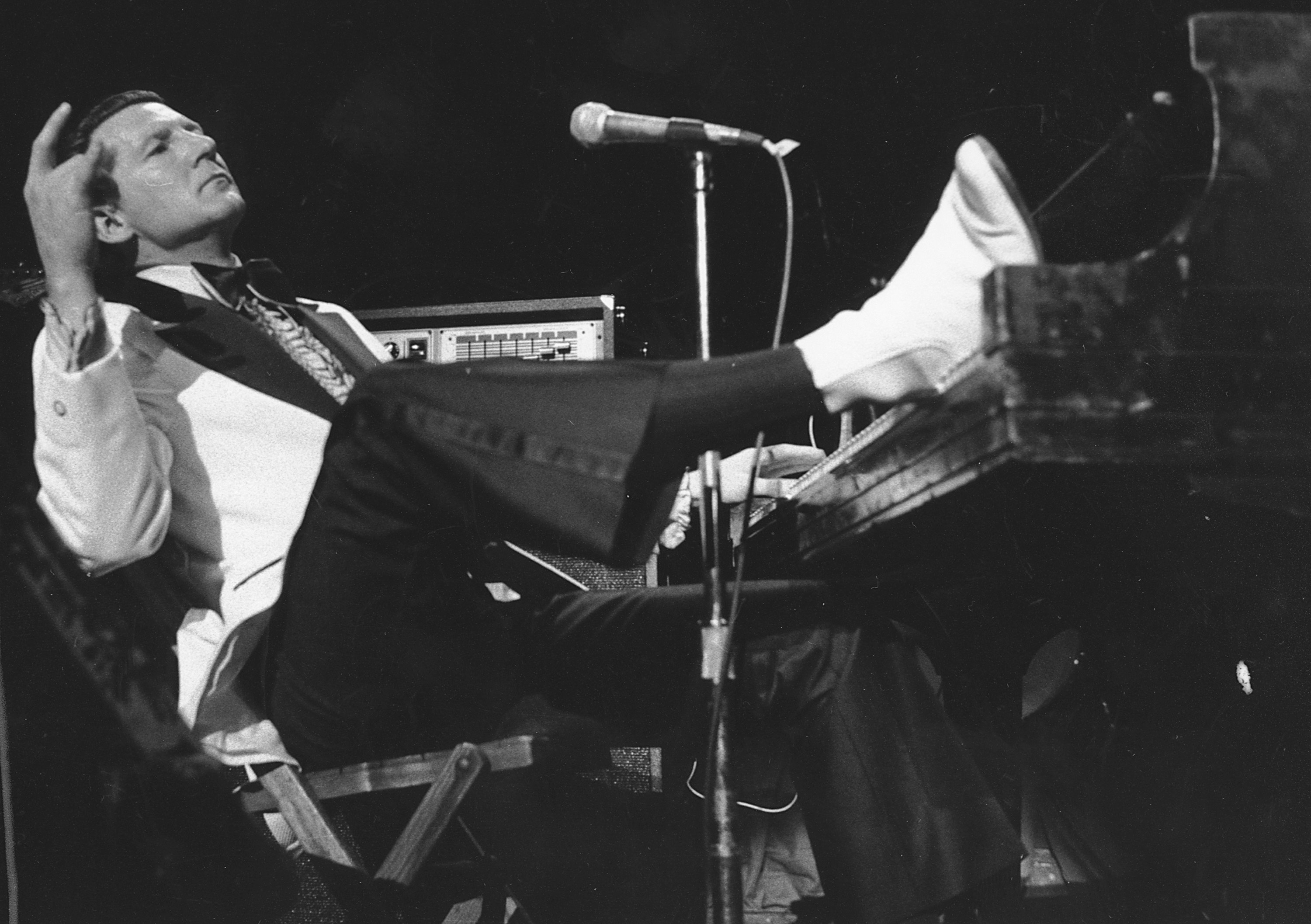
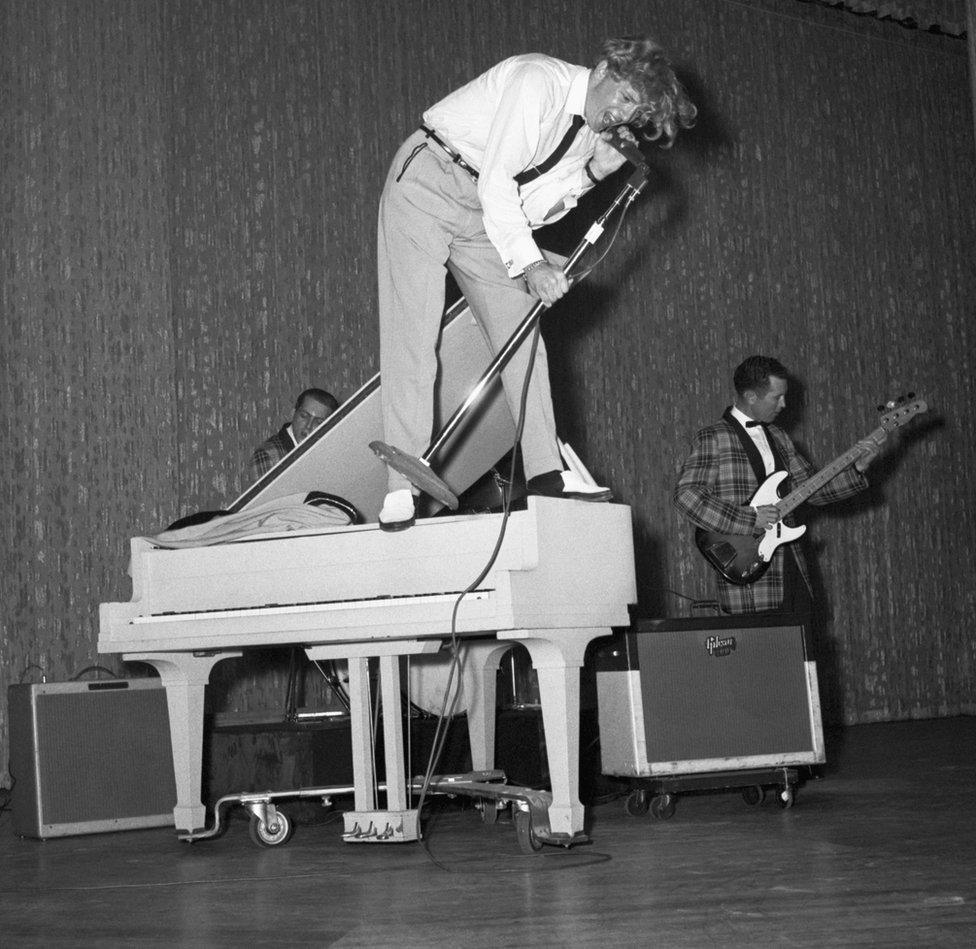
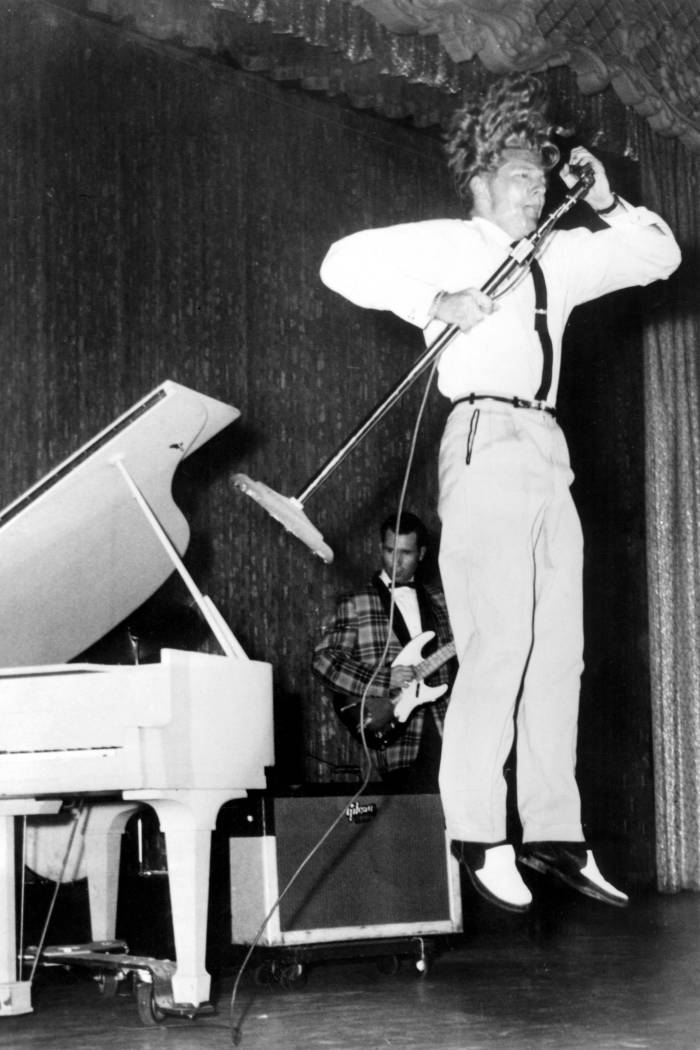
9. Jerry Lee played standing, kicking, sweating
Physicality was part of the sound. Musicians clock this immediately.
10. He used silence like a loaded gun
Stop the band. Hold the room. Then strike.
11. He could follow anyone—and erase them
The legend of him kicking away benches after other acts wasn’t ego. It was domination.
12. He didn’t pace sets for longevity
Every show was treated like it might be the last.
Fame, Fallout, and Consequence
13. Scandal didn’t invent his volatility. It exposed it
The industry recoiled. The fire didn’t cool.
14. He was blacklisted but never muted
Regional circuits, roadhouses, and honky-tonks kept him alive.
15. His voice aged into menace
Rougher. Lower. More dangerous with time.
Country Years: Survival Through Truth
16. Jerry Lee moved to country without softening
Heartbreak songs carried the same threat as rock anthems.
17. He sang country like confession, not polish
Nothing cleaned up. Everything exposed.
18. He treated lyrics as personal testimony
Musicians recognize when someone is bleeding into the mic.
The Technique Musicians Notice
19. His left hand never flinched
Consistency under chaos is the real trick.
20. He rarely overdressed arrangements
One piano. One voice. One problem for the room.
21. He trusted instinct over restraint
Mistakes were accepted if the truth landed.
The Uncomfortable Legacy
22. Jerry Lee Lewis proved rock and roll was never meant to be safe
Not emotionally. Not spiritually. Not physically.
Why Jerry Lee Lewis Still Matters to Musicians
Jerry Lee Lewis teaches the lesson most artists avoid.
Control without danger is boring.
Danger without control is noise.
The line between them is where rock and roll lives.
In an industry increasingly obsessed with polish, Jerry Lee remains unreplicable because his music wasn’t designed to be consumed. It was designed to be survived.
He didn’t adapt by calming down.
He adapted by enduring.
And every musician who steps onstage willing to lose the room or win it outright is still answering the challenge Jerry Lee Lewis left behind—piano blazing, hands bleeding, soul exposed, no apologies offered.
