
Stevie Ray Vaughan
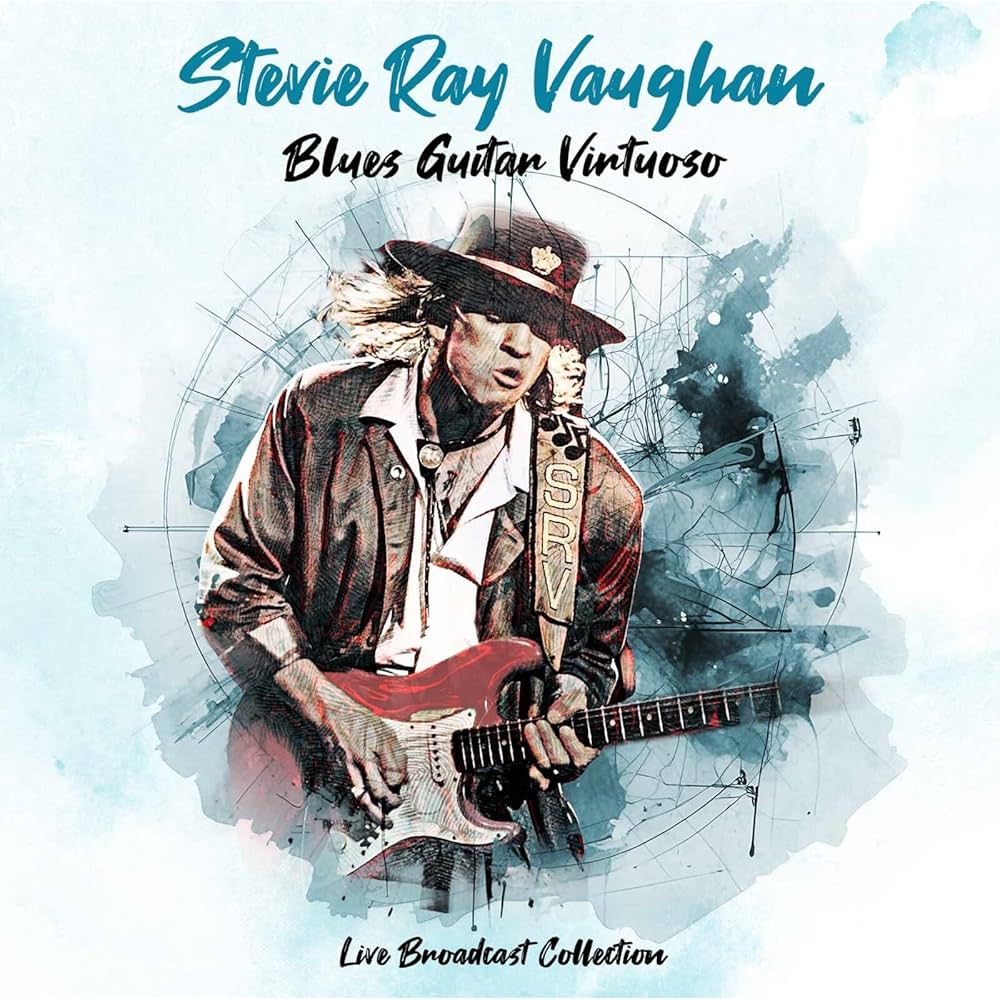
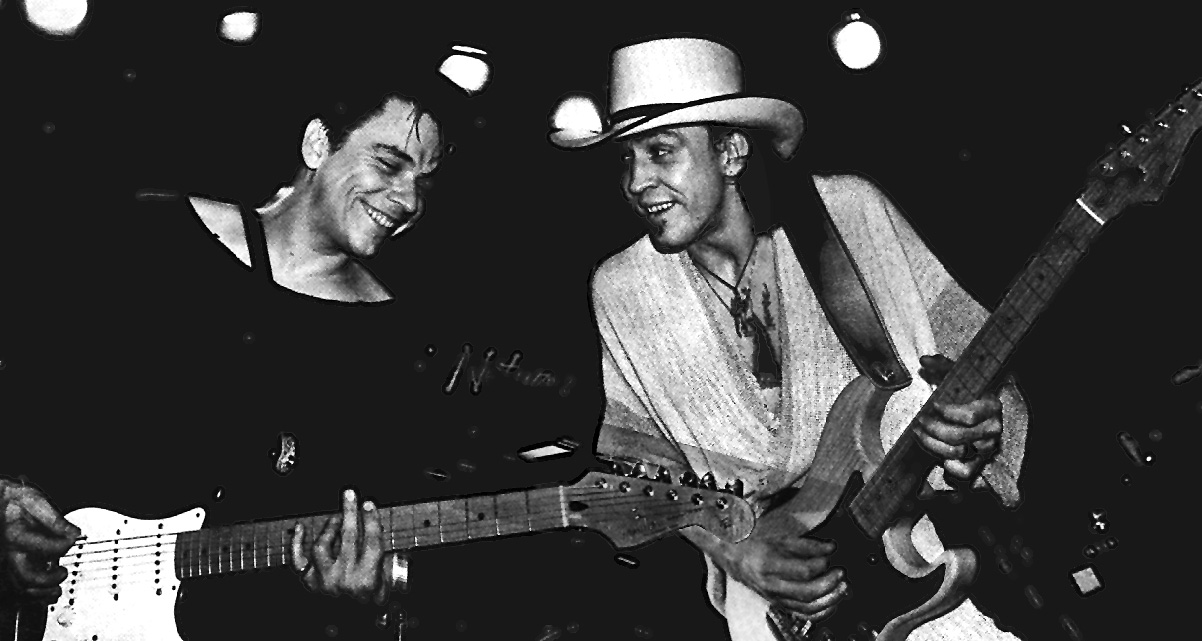
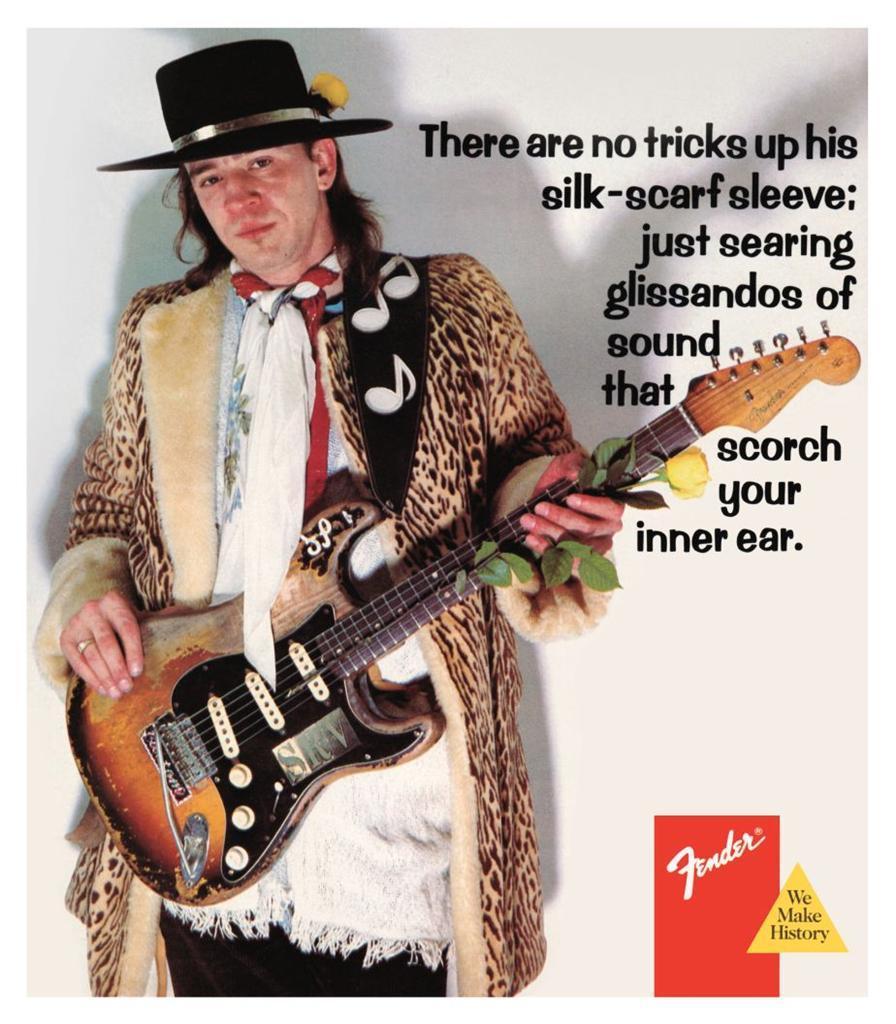
Stevie Ray Vaughan: The Fire That Refused to Cool Down
Some players sound great.
Stevie Ray Vaughan sounded alive—dangerously, relentlessly alive.
SRV didn’t revive the blues. He proved it never needed saving. He took a language rooted in pain and sweat and spoke it at stadium volume without sanding off a single edge. For musicians, Vaughan isn’t just influence. He’s a reckoning. You either mean it, or you don’t.
What follows is an authentic career arc and 22 musician-level truths that guitarists, bandleaders, and rhythm sections still pass around like hard-earned wisdom.
Before the Spotlight: Built in Texas Heat
1. Stevie learned volume control before fame
He played loud rooms early. Tone came from touch, not just amps.
2. His rhythm guitar was the secret weapon
Chord stabs, shuffles, and muted funk made the leads possible.
3. He learned endurance the hard way
Long sets. Multiple gigs a night. Hands learned to survive.
4. He listened obsessively to the old masters
Albert King, Freddie King, Buddy Guy. He absorbed phrasing, not licks.
The Sound: Why It Hits Like a Hammer
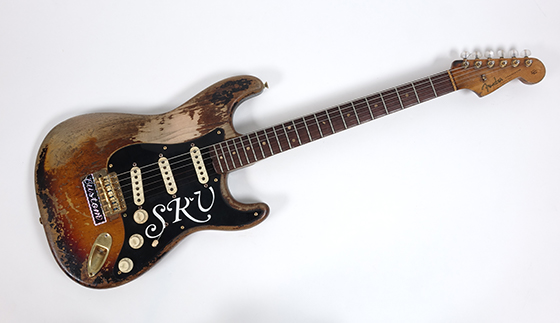
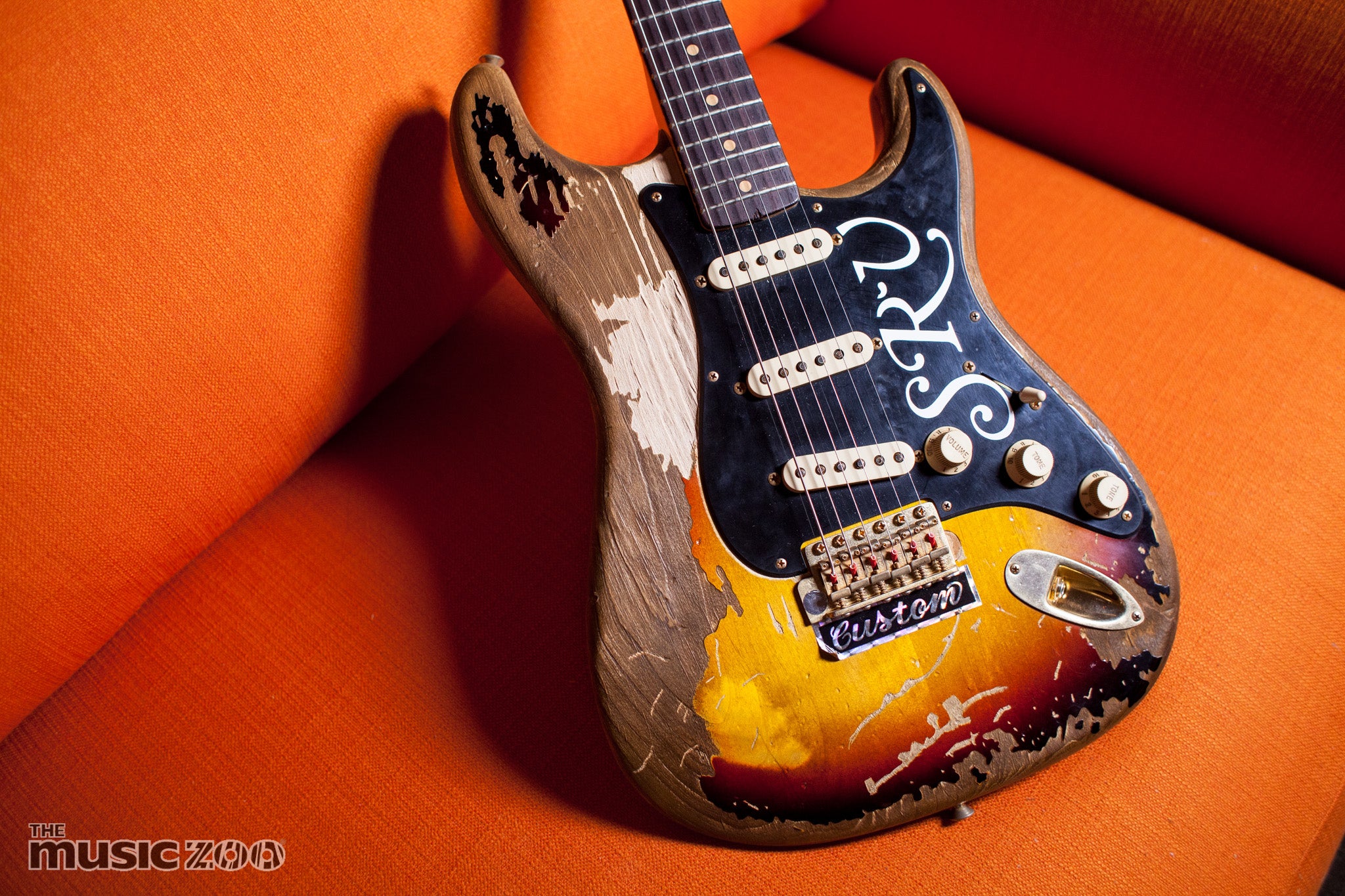
5. His Strat wasn’t magic. His hands were
Heavy strings. High action. Most players can’t survive that setup.
6. He attacked the strings and caressed them in the same bar
Dynamics lived inside the phrase, not between songs.
7. He played behind the beat to make it swing
That pocket is brutal to fake and impossible to teach quickly.
8. Vibrato was emotional punctuation
Wide, slow, intentional. Every shake meant something.
Double Trouble: The Engine Room
9. The trio format left no cover
Every mistake was audible. Every victory undeniable.
10. Bass and drums locked hard and stayed there
The rhythm section didn’t chase Stevie. They anchored him.
11. Tempos breathed but never drifted
Feel mattered more than metronomes.
Early 1980s: The Breakthrough
12. Texas Flood sounded live because it was played live
Minimal studio trickery. Sweat on tape.
13. SRV didn’t modernize the blues. He amplified it
The tradition stayed intact. The wattage changed.
14. He made virtuosity feel necessary, not indulgent
Speed served emotion. Always.
The Cost of the Flame
15. Substance abuse shadowed the ascent
Many musicians recognize the trap. Volume and velocity demand balance.
16. Sobriety changed his phrasing
Cleaner attack. More space. Deeper control.
17. His tone softened without losing authority
Intensity survived restraint.
Live SRV: No Safety Net
18. Solos were rebuilt every night
Familiar shapes, new sentences. The song lived.
19. He could command silence without saying a word
Dynamics did the talking.
20. He never rushed the climax
Tension mattered more than release.
Legacy Cut Short, Lessons Intact
21. Stevie Ray Vaughan proved the blues could be fearless again
Not nostalgic. Present tense.
22. He showed that honesty is louder than innovation
Truth outshines novelty every time.
Why Stevie Ray Vaughan Still Matters to Musicians
SRV teaches a truth that cuts clean.
Tone is touch.
Power is control.
Speed is useless without meaning.
In a world of presets and shortcuts, Stevie Ray Vaughan remains uncopyable because his sound wasn’t assembled. It was earned. Callused. Fought for. Paid in full.
He didn’t adapt by changing the blues.
He adapted by becoming strong enough to carry it forward.
And every guitarist who steps onstage trying to make six strings tell the truth is still standing in the heat Stevie Ray Vaughan left behind—raw, unforgiving, and impossible to ignore.
