
Led Zepplin

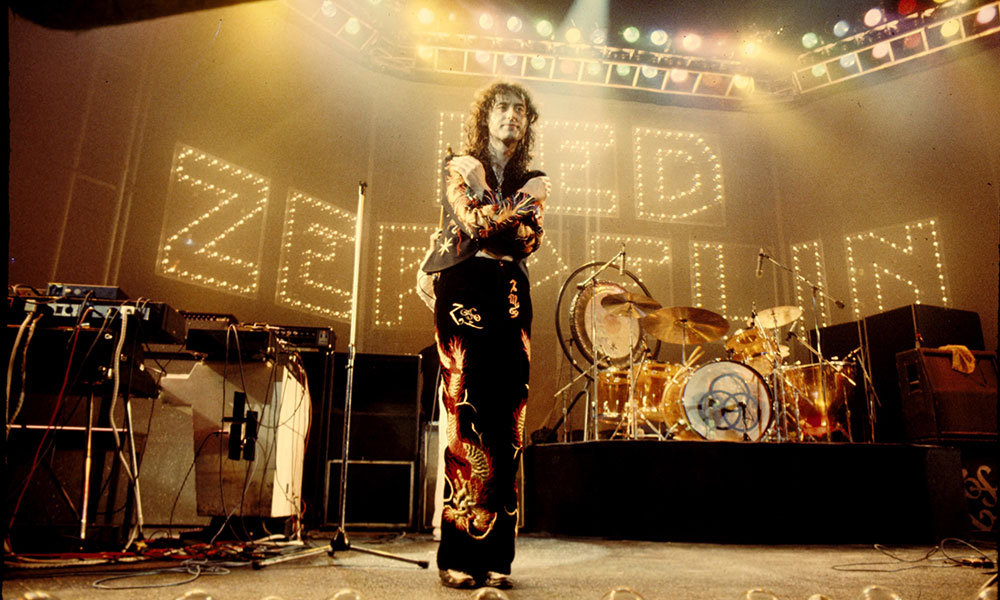
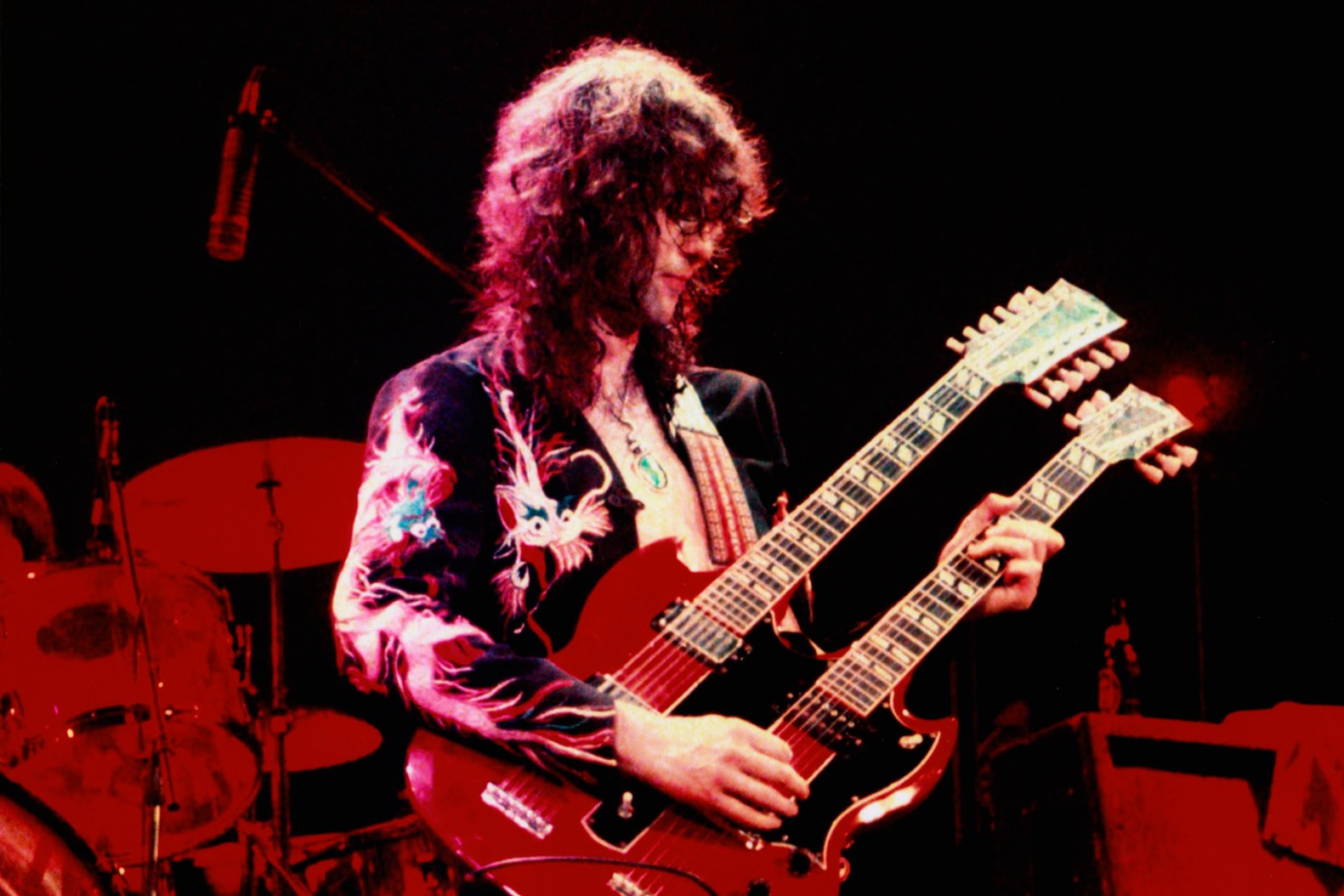
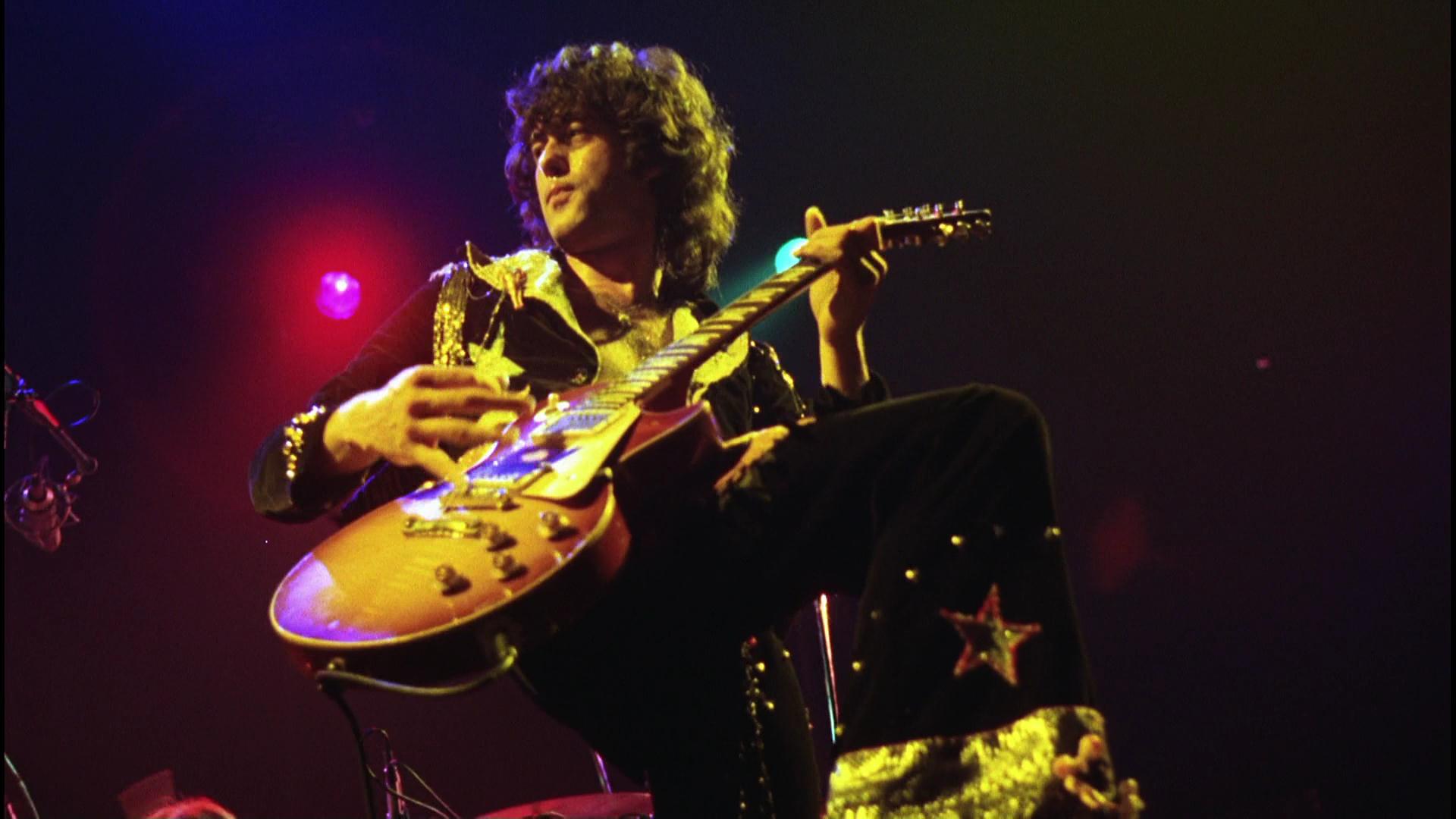
Led Zeppelin: The Band That Turned Power Into Myth and Made It Hold Up
Some bands chase greatness.
Led Zeppelin assumed it—and then built the infrastructure to survive it.
Zeppelin wasn’t just loud. They were large. Large in sound, ambition, silence, and risk. They didn’t ask rock music where its limits were. They walked straight past them and kept going.
For musicians, Led Zeppelin isn’t just a catalog. It’s a field manual on how to fuse instinct, discipline, danger, and control without losing the thread.
What follows is an authentic career arc and 22 musician-level realities that players, producers, and bandleaders still study when they want to understand how raw power becomes timeless music instead of noise.
1966–1968: The Architecture Before the Thunder
1. Led Zeppelin was designed, not discovered
Jimmy Page built the band with intention. Experience came before image.
2. Page’s session background shaped everything
Economy. Arrangement. Mic placement. Zeppelin sounded massive because the bones were precise.
3. They rehearsed dynamics as seriously as riffs
Soft mattered as much as loud. Contrast became their signature weapon.
4. The band trusted instinct over consensus
Arguments happened. Decisions landed fast.
The Rhythm Section: Why Zeppelin Hit Harder
5. John Bonham played ahead and behind the beat simultaneously
That push-pull created physical force without rushing.
6. His foot technique drove the band
Triplet feel. Weight over speed. Drummers still chase this balance.
7. John Paul Jones was the stabilizer
Harmony, counterpoint, and arrangement lived in his hands.
8. The rhythm section never crowded the guitar
Space was intentional. Everything had room to breathe.
The Voice and the Front
9. Robert Plant treated vocals as a lead instrument
Melody, texture, scream, whisper. All equal.
10. Plant sang into the groove, not on top of it
Elastic phrasing locked him to Bonham’s feel.
11. Lyrics leaned on myth to avoid literalism
Ambiguity let listeners enter the songs personally.
Studio as Instrument
12. Page used distance miking as a tone control
Rooms mattered. Air mattered. Volume wasn’t the trick.
13. First takes were trusted when they burned
Imperfections stayed if the take carried electricity.
14. Acoustic songs were treated with the same weight as electric
No filler. Every texture mattered.
Live Zeppelin: Controlled Chaos
15. Songs expanded and contracted nightly
Structure existed. Freedom lived inside it.
16. Improvisation was anchored to rhythm, not ego
Solos moved with the band, not above it.
17. Tempos breathed with the room
Rigid time would have killed the feel.
Power, Excess, and the Cost
18. Zeppelin avoided singles culture intentionally
Albums were the unit of truth.
19. Touring scale magnified pressure
The music survived because discipline stayed intact.
20. Tragedy changed the trajectory, not the integrity
Loss reshaped priorities without rewriting the past.
Legacy and Why It Still Holds
21. Zeppelin proved heaviness isn’t volume alone
It’s space, tension, and release.
22. They showed that control makes freedom louder
Structure didn’t limit them. It unleashed them.
Why Led Zeppelin Still Matters to Musicians
Led Zeppelin teaches a lesson that remains uncomfortable.
Power without discipline collapses.
Technique without instinct feels empty.
Freedom without structure turns to noise.
They didn’t adapt by chasing trends.
They adapted by trusting craft, intuition, and the room itself.
In a music world increasingly flattened by sameness, Led Zeppelin still looms because their sound was never about fashion. It was about physics—air moving, bodies reacting, silence threatening to explode.
They didn’t just play loud.
They made loud mean something.
And every band trying to balance danger with control is still measuring themselves against the shadow Led Zeppelin cast—wide, heavy, and impossible to escape.
