
Fleetwood Mac
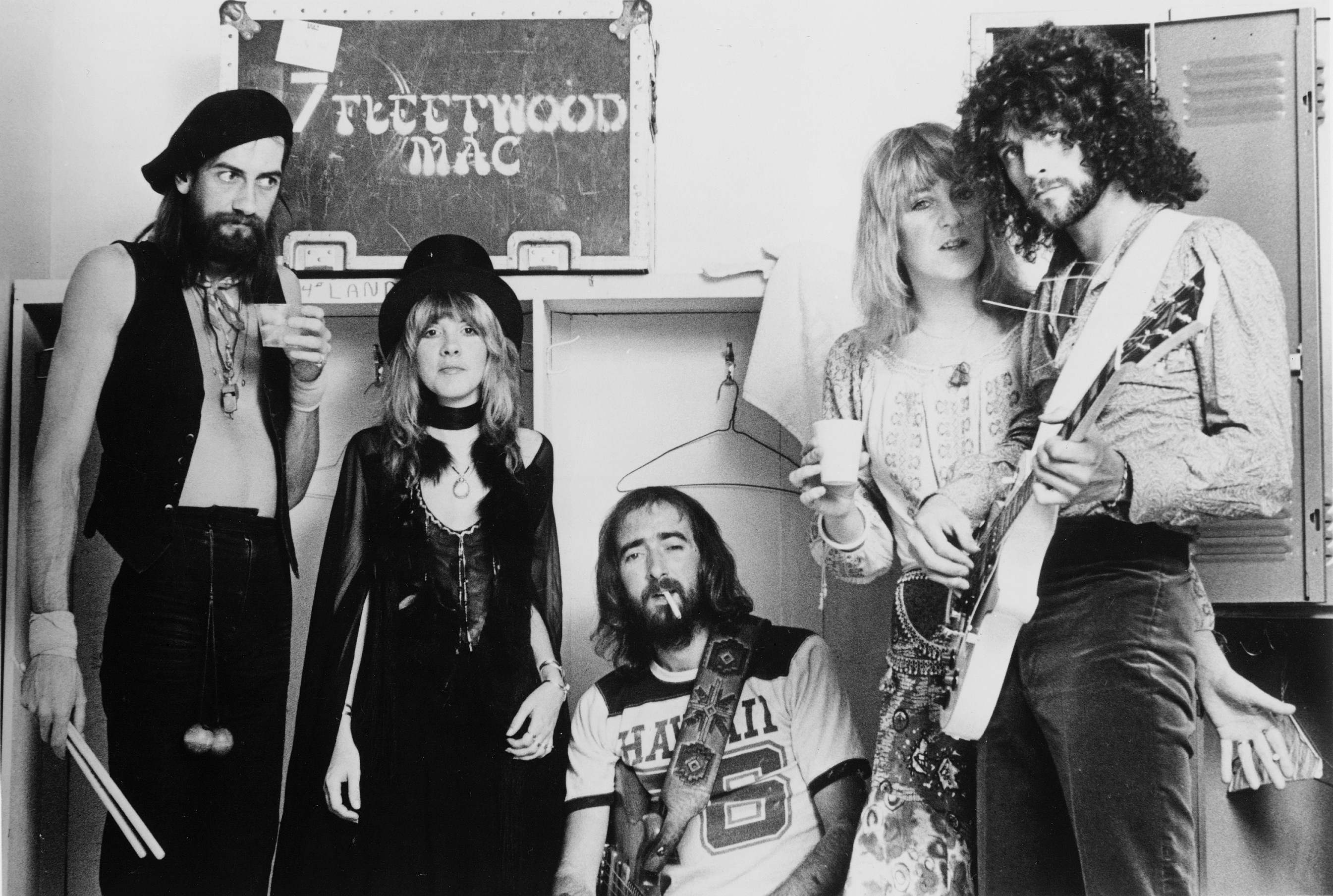



Fleetwood Mac: The Sound of a Band Surviving Itself
Some bands chase chemistry.
Fleetwood Mac was chemistry—volatile, intimate, combustible—and somehow musical enough to hold together while everything else fell apart.
For musicians, Fleetwood Mac isn’t a soap opera with songs. It’s a case study in how interpersonal truth, when left unfiltered, can become timeless work. This band didn’t write about emotion. They performed it in real time, often inches apart, often while the wounds were still open.
What follows is an authentic career arc and 22 musician-level realities that working artists, producers, and bandleaders still dissect when they want to understand how great records survive impossible conditions.
1967–1974: The Band Before the Band
1. Fleetwood Mac began as a rhythm section with a vision
Drummer Mick Fleetwood and bassist John McVie built the foundation first. Groove and feel came before personalities.
2. The early blues era trained them to listen
Extended jams, dynamic patience, and space taught restraint that later pop records quietly relied on.
3. Stability mattered more than spotlight
Mick and John valued continuity. That instinct would save the band later.
4. The band learned to survive lineup change early
Personnel shifts were normalized long before fame arrived.
1974–1976: The Collision
5. Adding Lindsey Buckingham and Stevie Nicks changed the physics
Suddenly the band had tension engines—songwriters with incompatible needs and undeniable chemistry.
6. Buckingham brought obsessive arrangement discipline
Layering, mic placement, and guitar orchestration became surgical.
7. Nicks brought myth, melody, and intuition
Her lyrics weren’t tidy. They were emotional maps. Musicians recognize that bravery.
8. The band agreed to disagree musically
No single leader. Songs survived debate, not hierarchy.
1976–1978: Rumours, Recorded Under Fire
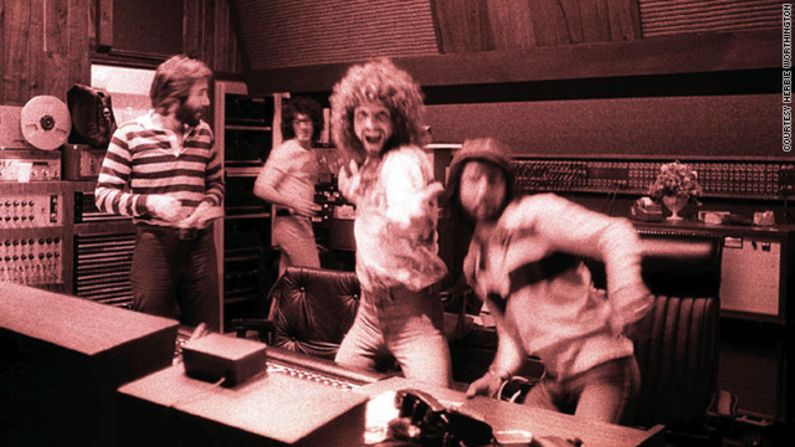
9. Rumours was tracked while relationships collapsed
Breakups. Affairs. Resentment. Nothing was resolved before recording. It went straight to tape.
10. Songs were written about each other and sung to each other
This is almost unheard of at scale. The emotional risk is enormous.
11. The rhythm section refused to take sides
Fleetwood and McVie kept the pocket neutral. That neutrality anchored everything.
12. Harmonies required emotional discipline
Singing close harmony with someone you’re furious with is a professional skill.
The Sound: Precision Meets Instinct
13. Buckingham’s guitar avoided flash on purpose
He favored texture, rhythm, and tension over solos. Space was the statement.
14. Christine McVie wrote clarity into chaos
Christine McVie brought balance. Her songs breathe because they resolve.
15. The band trusted first takes emotionally, not technically
If the feeling landed, imperfections stayed.
16. Click tracks were rare
Tempo moved with emotion. Subtle pushes and pulls make the records feel alive.
1979–1987: After the Explosion
17. Success intensified pressure instead of easing it
Bigger stages magnified personal distance. Musicians feel this paradox deeply.
18. Touring required emotional compartmentalization
They learned to perform truth without reopening every wound nightly.
19. Solo careers became pressure valves
Side projects preserved the band by giving individuals air.
Legacy and Longevity
20. Fleetwood Mac proved conflict can coexist with excellence
Not harmony in life—harmony in sound.
21. They showed that vulnerability scales
Intimate truths didn’t shrink under mass audiences. They expanded.
22. The songs endure because the feelings were never edited out
No polish can replace honesty captured at the right moment.
Why Fleetwood Mac Still Matters to Musicians
Fleetwood Mac teaches a brutal but necessary lesson.
Great music does not require peace.
It requires commitment—to the song, to the moment, to the people in the room.
They didn’t adapt by smoothing edges.
They adapted by letting the edges speak.
In a modern industry that sanitizes conflict and edits emotion into palatable shapes, Fleetwood Mac remains proof that truth, even when uncomfortable, is the strongest production choice you can make.
They survived fame by trusting the music to carry what the relationships could not.
And every band still trying to turn chaos into something beautiful is walking the path Fleetwood Mac survived—one harmony, one argument, one perfect, imperfect take at a time.
