
Waylon Jennings
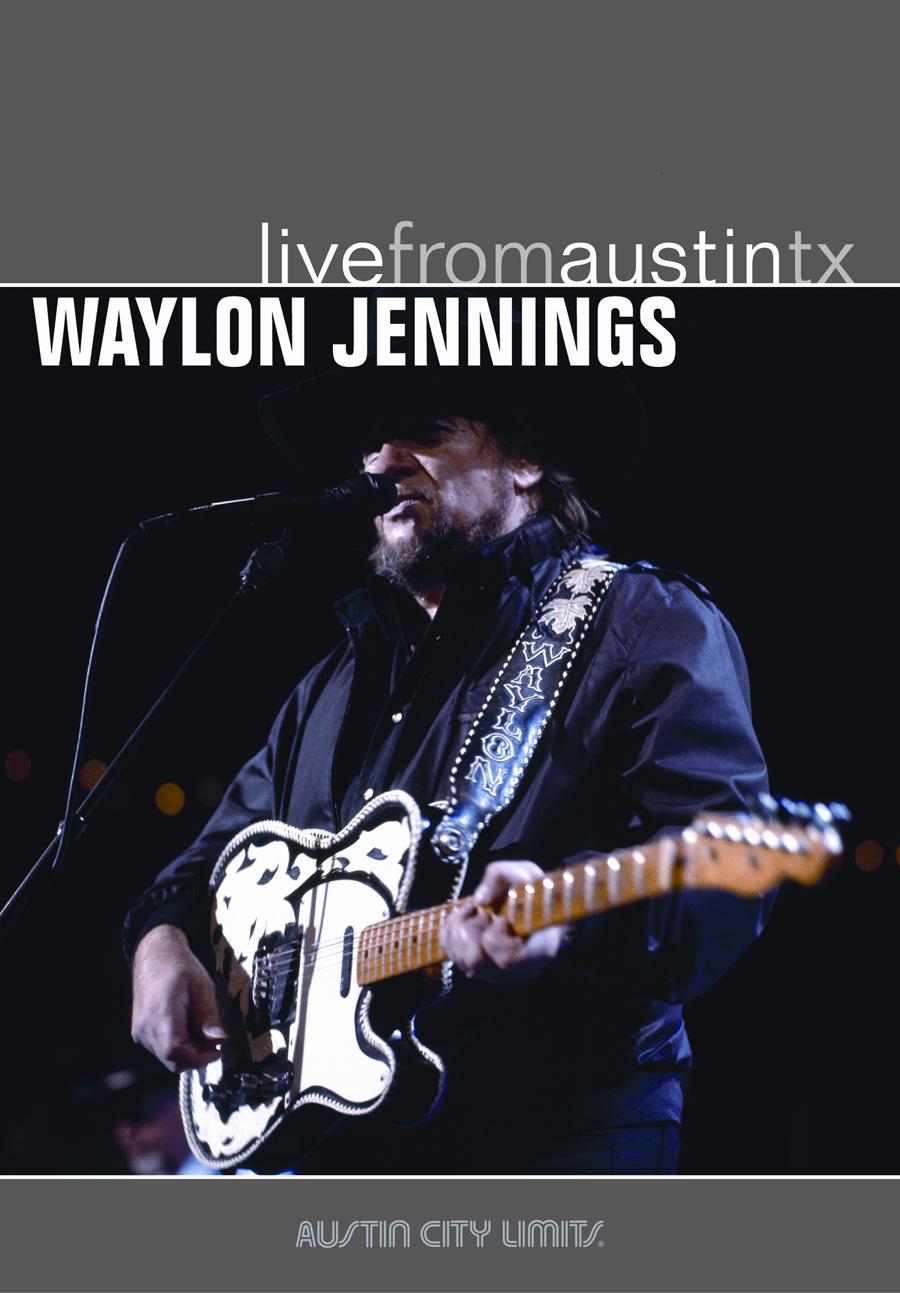


Waylon Jennings: The Man Who Drew the Line and Dared the Industry to Cross It
If Willie Nelson taught artists how to outlast the system, Waylon Jennings taught them how to fight it without flinching.
Waylon didn’t soften the edges of country music.
He sharpened them.
Among musicians, Waylon isn’t remembered as a rebel for show. He’s remembered as a working bandleader who finally said what every artist whispers at 2 a.m. in the van:
This isn’t working. And I’m not doing it your way anymore.
What follows is an authentic career timeline and 22 raw, musician-level truths about Waylon Jennings that still resonate with artists who value tone, autonomy, and truth over approval.
1950s–Early 1960s: Built on the Road, Not the Radio
1. Waylon learned discipline from Buddy Holly
Playing bass for Buddy Holly taught Waylon professionalism early. Tight sets. Clear arrangements. No wasted motion.
2. He gave up his seat on the plane
Waylon’s casual joke before Holly’s fatal flight became a lifelong weight. Musicians hear this tragedy in his restraint and gravity.
3. He understood the business before he challenged it
Waylon didn’t rebel out of ignorance. He rebelled because he knew exactly how the machine worked.
4. His early Nashville work felt sterile to him
Polished arrangements. String sections. No grit. The disconnect pushed him toward confrontation.
Mid-1960s–Early 1970s: The Breaking Point
5. Waylon hated being told how to sound
Producers dictating tempos, keys, and musicians felt like betrayal. Many artists still live in this tension.
6. He wanted his touring band on his records
This was radical at the time. Waylon believed chemistry mattered more than perfection.
7. His baritone became heavier with frustration
Tone shifted with autonomy. Control changed how he sang.
8. He stopped chasing hits and started chasing ownership
This decision changed everything.
1972–1979: The Outlaw Years, No Apologies
9. Waylon demanded full creative control
Production. Song choice. Musicians. Artwork. It wasn’t arrogance. It was alignment.
10. His rhythm section drove the sound
Drums and bass pushed forward. Groove mattered more than ornamentation.
11. He made country music dangerous again
Volume came up. Attitude hardened. Songs carried teeth.
12. He treated the studio like a live room
Minimal overdubs. Feel-first takes. Mistakes stayed if the take breathed.
The Sound: Grit as Identity
13. Waylon’s Telecaster tone was intentional
Clean but thick. Aggressive without distortion. A working-man’s lead sound.
14. His phrasing sat dead center of the beat
Unlike Willie’s float, Waylon planted his feet. That grounded authority defined his presence.
15. He sang like he meant every word
No ornamentation. No smoothing edges. Musicians respect that immediacy.
Late 1970s–1980s: Cost of Control
16. Touring schedules were punishing
Waylon worked relentlessly. Momentum demanded sacrifice.
17. Substance abuse nearly ended the run
Artists recognize this chapter without judgment. Pressure has a price.
18. He took responsibility publicly
No deflection. No mythology. Just ownership and recovery.
1990s–Later Years: Elder With Scars
19. Waylon adjusted expectations, not integrity
He played smaller stages without shrinking the music.
20. His voice aged into authority
Roughness became credibility. Nothing was hidden.
21. He never apologized for the outlaw label
It wasn’t branding. It was documentation.
22. He left a roadmap for bandleaders
Control your sound. Protect your people. Know when to draw the line.
Why Waylon Jennings Still Matters to Musicians
Waylon proved that freedom is a production choice.
That tone reflects power.
That bands work best when trust replaces control.
In an industry still obsessed with compliance, Waylon Jennings remains the patron saint of artists who refuse to trade their backbone for a budget.
He didn’t burn the system down.
He stared it in the face and said no.
And every musician who insists on playing their own songs, with their own band, in their own voice, is still walking the road Waylon carved—boots first, head up, unapologetic.
