
Willie Nelson



Willie Nelson: The Quietest Revolutionary in American Music
Some artists burn down the house.
Willie Nelson rearranged the furniture and let everyone sit where they felt honest.
Willie didn’t conquer the music industry. He outlived it. Out-thought it. Out-waited it. While trends sprinted and collapsed, Willie kept walking. Same pace. Same voice. Same guitar. Same truth.
For musicians, Willie Nelson isn’t a legend. He’s a lesson in endurance.
What follows is an authentic career arc and 22 raw, musician-level realities about Willie Nelson that working artists, songwriters, bandleaders, and lifers quietly revere.
1950s–Early 1960s: The Songwriter Who Didn’t Fit
1. Willie failed Nashville before Nashville knew what failure was
He was told his voice was too strange, his phrasing too loose, his look too unpolished. Musicians recognize this immediately. The industry rejects what it cannot standardize.
2. He wrote hits for others while being ignored himself
“Crazy,” “Hello Walls,” “Night Life.” Willie paid his rent with songs while being told he couldn’t sell one as an artist.
3. His phrasing ignored bar lines
Willie sings around the beat. Guitarists and drummers notice instantly. This is not sloppiness. It’s control.
4. He learned economy early
Years of songwriter survival trained him to say more with fewer notes. That restraint defines his catalog.
Late 1960s–Early 1970s: Leaving the System
5. Willie walked away from Nashville on purpose
He didn’t rebel loudly. He simply left. Artists still underestimate the power of refusal.
6. Austin gave him space, not polish
The Texas scene allowed cross-pollination. Hippies, country pickers, jazz players. Willie absorbed all of it.
7. He redefined what country music could sound like
Sparse arrangements. Jazz chords. Folk timing. Country lyrics without country polish.
8. He trusted live audiences before executives
Crowd reaction guided his evolution more than radio feedback.
1973–1979: Outlaw Era, Artist Control
9. Red Headed Stranger rewrote album economics
Minimal instrumentation. Narrative structure. No radio concessions. It worked because it was honest.
10. Willie proved concept albums could be quiet
No bombast. No excess. Silence became part of the arrangement.
11. He treated albums like conversations
Songs spoke to each other. Musicians hear this as pacing, not playlist thinking.
12. His band learned to follow breath, not charts
Willie’s cues are physical. Micro-phrasing. Eye contact. Trust.
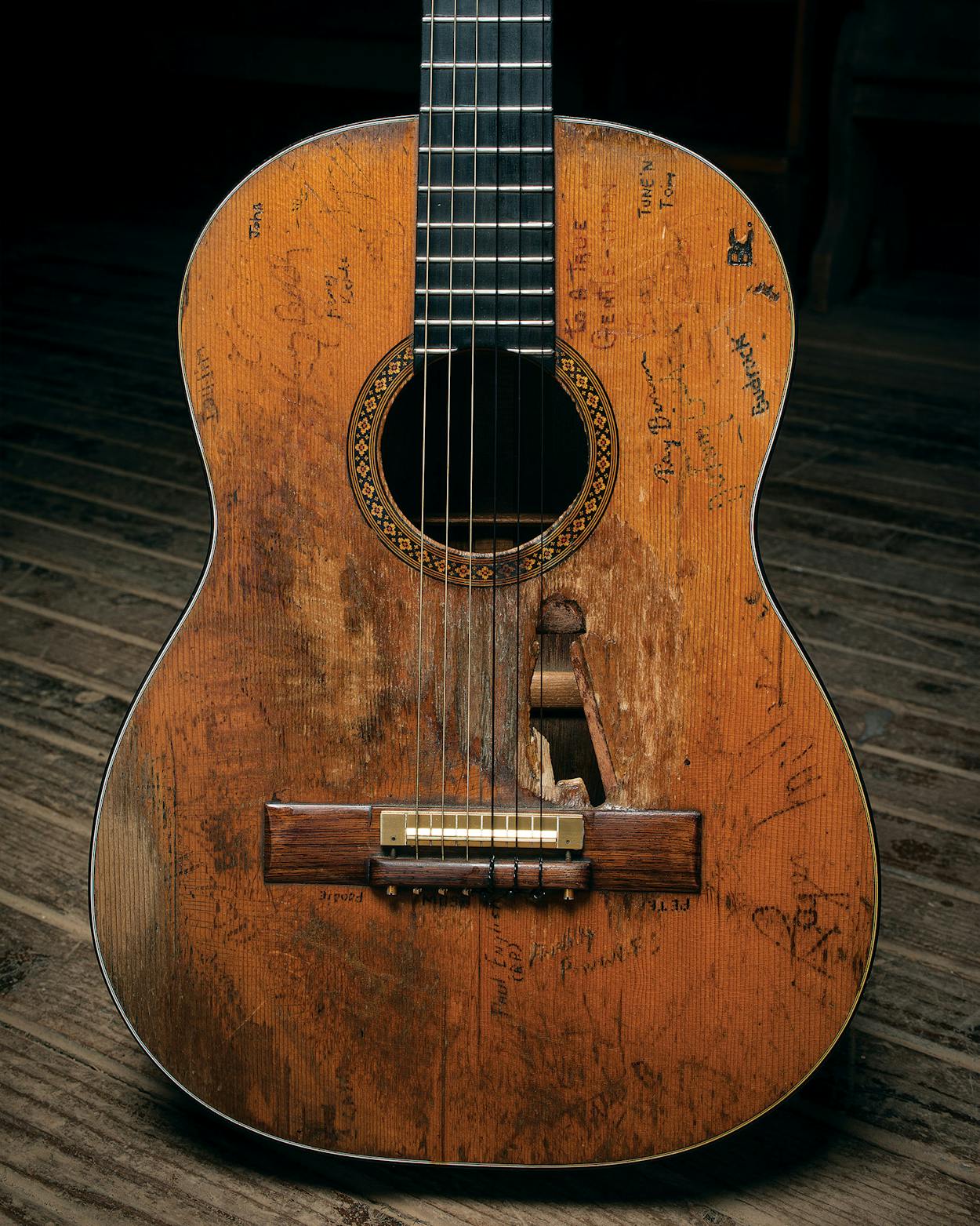
The Guitar Named Trigger
13. Trigger is not a prop. It’s a diary
That guitar holds decades of sweat, damage, and memory. Willie never replaced it because tone carries history.
14. Nylon strings changed his attack
The softer response let him float behind the beat even further. It shaped his vocal phrasing too.
15. His solos are melodic conversations, not showcases
Every note sounds like a sentence fragment. Nothing wasted.
1980s–1990s: Cultural Elder Without Pretension
16. Willie crossed genres without explaining himself
Jazz. Reggae. Standards. Pop. He didn’t announce pivots. He just played.
17. He normalized collaboration without dilution
Duets with artists younger, louder, trendier. He never chased relevance. Relevance came to him.
18. Farm Aid proved musicians could organize without corporations
Artists noticed. Willie built infrastructure, not just albums.
2000s–Present: Longevity as Strategy
19. Willie adjusted keys and tempos to preserve feel
He didn’t fight aging. He arranged around it. This is survival wisdom.
20. His voice aged into its own authority
Cracks became character. Timing replaced power.
21. He still tours because music is movement
Not nostalgia. Not obligation. Motion keeps the songs alive.
22. Willie never separated life from art
No persona. No mask. The same man onstage and off.
Why Willie Nelson Still Matters to Musicians
Willie teaches the hardest lesson in the industry.
You don’t need to be loud to be permanent.
You don’t need to win early to win forever.
You don’t need perfection to be undeniable.
In a music economy obsessed with speed, Willie Nelson is proof that pace is power.
He bent genres without breaking himself. He outlasted formats, labels, cycles, and expectations by refusing to become smaller or louder than he truly was.
Willie Nelson didn’t adapt by changing who he was.
He adapted by staying himself longer than the industry could ignore.
And for artists trying to survive and thrive in the wild American music landscape, that might be the most radical strategy of all.
